Car Detailing for Beginners: The Complete Starter Guide
Car detailing can seem overwhelming. Watch any YouTube video and you'll see detailers with carts full of products, multiple buckets, specialized tools, and a garage that looks like a chemistry lab. It's enough to make anyone think "I'll just take it to a car wash."
Here's the truth: 80% of detailing results come from 20% of the products and techniques. You don't need to be an expert or spend hundreds on supplies to keep your car looking great. You just need to understand the basics and avoid the common mistakes that cause damage.
This guide will teach you exactly what you need to know to detail your car like a pro—without the confusion or wasted money on products you don't need.
The Complete Car Detailing Guide: Start Here
Treat this page as your complete car detailing guide — the one place that covers the whole job in the right order. Everything below builds on the step before it, so read top to bottom your first time through, then come back and use it as a checklist. Here's what this detailing guide covers:
- What detailing actually is (and how it differs from a car wash)
- The essential car detailing tools — what you need, what can wait, and what to skip
- The correct order to detail a car, exterior and interior
- Scratch-free washing — the two-bucket method, step by step
- Wheels, drying, and the mistakes that ruin paint
- Your first full detail — a printable checklist
- A 30-day roadmap to learn detailing plus the best learning resources when you're ready to go deeper
What is "detailing" anyway?
Detailing is simply thorough cleaning and protection of your vehicle—inside and out. It's different from a basic car wash in the level of care and attention to each surface.
A car wash: Rinse, soap, rinse, maybe a quick dry. Gets the car "clean enough" in 10 minutes.
A detail: Carefully clean each surface with the right products and techniques, then protect those surfaces from future damage. Takes 1-3 hours but keeps your car looking newer, longer.
The goal isn't perfection—it's maintaining your car's appearance and protecting your investment. A well-maintained car looks better, is easier to clean, and holds its value better when you sell.
The products you actually need (and don't need)
Let's cut through the marketing. Here's what a beginner actually needs:
Essential (start here)
| Product | What It Does | Our Recommendation |
|---|---|---|
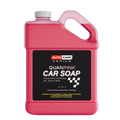
| Car wash soap | Safely removes dirt without stripping protection | Quan Pink Car Soap |
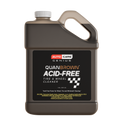
| Wheel cleaner | Dissolves brake dust that soap can't remove | Quan Brown Wheel Cleaner |
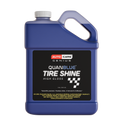
| Tire shine | Protects sidewalls and completes the look | Quan Blue Tire Shine |
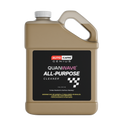
| All-purpose cleaner (APC) | Cleans interior, door jambs, engine bay | Quan Wave APC |
| Glass cleaner | Streak-free windows inside and out | Quan Gleam Glass Cleaner |
| Microfiber towels | Safe drying, buffing, and cleaning | 6-12 quality towels minimum |
| Wash mitt | Safely lifts dirt without scratching | Microfiber or lambswool mitt |
| Two buckets | Keeps wash water clean (prevents scratches) | 5-gallon buckets with grit guards |
Nice to have (add later)
- Spray wax/sealant/ceramic: Adds protection after washing (Quan Armor)
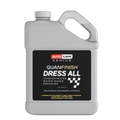
- Interior dressing: Protects dashboard/plastics from UV (Quan Finish Dress All)
- Iron remover: Deep decontamination (Quan Purge)
- Quick detailer: Touch-ups between washes (Quan EcoX)
- Foam cannon: Makes washing easier and more fun
- Clay bar: Removes bonded contamination
Don't need (skip these as a beginner)
- Polishing machine and compounds (for paint correction—advanced skill)
- 20 different specialty products for every surface
- Professional-grade ceramic coatings (leave to pros until you're experienced)

Recommended Starter Kit
Quan Complete Wash & Protect Kit — $59.99
Four full-size 32 oz bottles that cover the exact routine this guide teaches: Pink pH-balanced car soap for the wash, Brown acid-free wheel & tire cleaner, Orange slingless tire shine, and Armor ceramic spray. Saves about $40 vs. buying separately, and Pink and Brown are concentrates, so they go further.
Want towels included instead of the sealant? The Quan Quick Wash And Wax Kit ($49.49) bundles wash & wax soap, Brown wheel cleaner, Blue tire shine, and a 36-pack of microfiber towels. Either kit plus a glass cleaner and two buckets covers 90% of what you'll do as a beginner.
Shop NowThe right order to detail your car
Order matters in detailing. You don't want to clean the paint, then splash dirty wheel cleaner on it. Here's the correct sequence:
Exterior detail order
- Wheels and tires first – They're the dirtiest part. Clean them before touching the paint so you don't splash brake dust and grime onto clean panels.
- Pre-rinse the whole car – Knock off loose dirt before touching the paint with anything.
- Wash the paint – Top to bottom, using the two-bucket method.
- Rinse thoroughly – Remove all soap before it dries.
- Dry the car – Use a quality drying towel or air blower. Don't let it air dry (water spots).
- Apply protection – Wax, sealant, or spray ceramic on clean, dry paint.
- Apply tire shine – Final touch on tires.
- Clean glass – Inside and outside, last so you don't get overspray on it.
Interior detail order
- Remove trash and loose items
- Vacuum everything – Seats, carpets, mats, crevices
- Dust and clean top to bottom – Dust falls down, so start high
- Clean plastics and vinyl – With diluted APC (how strong to mix it)
- Clean glass – Inside windshield and windows
- Apply interior protection – Dress plastics last so they don't get dusty
How to wash your car without scratching it
Most "swirl marks" and fine scratches on paint come from improper washing, not from driving. Here's how to avoid them:
The two-bucket method
This is the most important technique to learn:
Bucket 1 (Wash): Fill with water and Quan Pink Car Soap (5 oz per 5 gallons of water). Add a grit guard at the bottom.
Bucket 2 (Rinse): Fill with clean water only. Add a grit guard at the bottom.
The process:
- Dip your wash mitt in the soapy bucket
- Wash one panel using straight lines (not circles)
- Rinse the mitt in the clean water bucket, rubbing against the grit guard
- Dip back in the soapy bucket
- Repeat for each panel
Why does this matter? The rinse bucket catches the dirt from your mitt. Without it, you're putting dirt back on your paint and grinding it around—that's what causes scratches.
Key rules to prevent scratches
- Never wash a dry car – Always rinse first to remove loose dirt
- Use straight lines, not circles – Circular scratches are more visible than straight ones
- Don't press hard – Let the soap and mitt do the work
- Use separate towels/mitts for different areas – Don't use your wheel brush on paint
- Keep your mitt clean – If you drop it on the ground, rinse it thoroughly or use a fresh one
- Work in the shade – Sun dries soap before you can rinse, leaving spots
How to clean wheels properly
Safety first: wheel cleaners and concentrates are the strongest chemicals in this guide — Quan Brown's own safety data sheet classifies it as causing severe skin burns and eye damage. Wear nitrile gloves and eye protection for the wheel and APC steps, work outdoors or with good airflow, avoid breathing the mist, and keep every product away from children and pets.
Wheels look complicated, but the process is simple:
- Rinse wheels to remove loose dirt
- Spray Quan Brown Wheel Cleaner (diluted 4:1 — it's a concentrate) on the wheel surface
- Let it dwell 30-60 seconds – Don't let it dry
- Agitate with a wheel brush if needed – For heavy buildup or textured wheels
- Rinse thoroughly
- Dry the wheel – Water spots on wheels look bad too
- Apply tire shine – Use an applicator pad, not spray, for even coverage
For detailed wheel cleaning guidance, see: Best Wheel Cleaner for Brake Dust.
How to dry your car without water spots
Air drying leaves water spots—mineral deposits from evaporated water. Always dry your car:
Method 1: Drying towel
Use a large, plush microfiber drying towel (or a dedicated drying aid towel). Lay it flat on the panel and drag it across, letting it absorb water. Don't press hard or scrub.
Method 2: Air blower
A leaf blower or dedicated car dryer blows water out of crevices (mirrors, door handles, badges) where it would otherwise drip out later. Use in combination with a towel for best results.
Common beginner mistakes (and how to avoid them)
| Mistake | Why It's Bad | What to Do Instead |
|---|---|---|
| Using dish soap | Strips wax/sealant, dries rubber | Use pH-neutral car soap |
| One dirty bucket | Puts dirt back on paint = scratches | Two-bucket method |
| Washing in direct sun | Soap dries before rinsing = spots | Wash in shade or evening |
| Air drying | Water spots everywhere | Always towel or blow dry |
| Using bath towels | Scratches paint, leaves lint | Use quality microfiber only |
| Spraying product on surface | Overspray, drips, waste | Spray onto towel/applicator |
| Circular wiping motions | Visible swirl marks | Straight lines only |
| Using one towel for everything | Cross-contamination | Separate towels for each task |
| Skipping protection | Paint vulnerable to damage | Apply wax/sealant regularly |
Your first detail: step-by-step checklist
Here's a simple checklist for your first full detail:
Before you start:
- ☐ Park in shade (or wait for evening)
- ☐ Gather all products and tools
- ☐ Fill both buckets (soap in one, clean water in other)
- ☐ Have plenty of clean microfiber towels ready
Exterior:
- ☐ Spray wheels with Quan Brown (diluted 4:1, gloves on), let dwell 30–60 sec, scrub, rinse
- ☐ Pre-rinse entire car
- ☐ Wash with two-bucket method using Quan Pink
- ☐ Final rinse (remove all soap)
- ☐ Dry with microfiber towel
- ☐ Apply tire shine with applicator
- ☐ Clean exterior glass with Quan Gleam
Interior:
- ☐ Remove trash and belongings
- ☐ Vacuum seats, carpet, mats, crevices
- ☐ Wipe plastics with Quan Wave APC (diluted 1:10)
- ☐ Clean interior glass
- ☐ Apply interior dressing if desired
Time estimate: 1.5-2.5 hours for your first time. Gets faster with practice.
How to Learn Detailing: Your 30-Day Roadmap
Wondering how to learn detailing without drowning in conflicting advice? Don't try to master everything in one weekend. Skills stack: a safe wash makes every later step easier, and machine polishing only makes sense once your wash routine stops adding new scratches. Here's the 30-day path we give every beginner who walks into our Kissimmee shop:
Week 1 (Days 1-7): Master the safe wash
Learn the two-bucket method from this guide and wash your car twice this week — repetition builds the muscle memory. Focus on straight lines, a clean mitt, and proper drying. Follow our 5-step weekend wash routine for the exact sequence, and read how often to wash, wax, and detail so you can set a realistic schedule.
Week 2 (Days 8-14): Wheels, tires, and glass
Add the dirtiest parts of the car to your routine. Learn why cleaner chemistry matters in acid vs. acid-free wheel cleaners, dress your tires with the pro tire shine method, and knock out the most annoying job in detailing with how to clean the inside windshield without streaks.
Week 3 (Days 15-21): Interior deep clean
Spend this week inside the cabin: vacuum, APC on plastics, glass, then dressing. Our car interior cleaning guide maps the right product to every surface, and how to clean interior plastics and vinyl covers the technique in depth.
Week 4 (Days 22-30): Protection — and a look ahead
Now that the car is clean, learn to keep it that way. Start with how to apply a ceramic spray coating without streaks — it's the easiest protection step and makes every future wash faster. Curious about the next level? Read our beginner's guide to the dual-action polisher to understand paint correction before you ever buy a machine.
By day 30 you'll have a full wash-to-protect routine that most car owners never learn — and you'll know exactly which advanced skill you want next.
Best Detailing Learning Resources
Searching for the best detailing books or courses? Here's our honest take after years behind the counter: printed detailing books date quickly. Product chemistry moves fast — SiO₂ spray sealants, modern ceramic coatings, and pH-neutral shampoo formulas have changed the "right answer" several times in the last decade, so a book printed even a few years ago can teach outdated technique. The best way to learn detailing in 2026 is a mix of four resource types:
- Hands-on practice — your own car, once a week. Nothing replaces reps.
- Step-by-step written guides (like this one) — kept updated as products change, and easy to reference mid-job with wet hands.
- Product labels and manufacturer instructions — dilution ratios and dwell times come from the label, not from a forum guess.
- Video and community — great for seeing technique in motion; just cross-check product claims before you buy.
Our free detailing guides by topic — bookmark these; we update them as the products on our shelves change:
- Washing: Best Car Wash Soap: pH-Neutral Shampoos Tested & Ranked
- Drying: Best Car Drying Towel: Twisted-Loop Picks, Tested
- Wheels: Best Wheel Cleaner for Brake Dust
- Dilution ratios: APC Dilution Guide: Ratios for Every Detailing Task
- Paint correction: How to Remove Swirl Marks From Car Paint
- Protection: Best Ceramic Coatings for Cars: Tested & Compared
Frequently Asked Questions
How do I start detailing?
Start with a safe wash — that's the skill everything else builds on. Get two buckets, a pH-neutral car soap, a microfiber wash mitt, and a proper drying towel, then learn the two-bucket method covered in this guide. Once washing feels routine, add wheels and tires, then the interior, then paint protection. Follow the 30-day roadmap above and you'll have the full routine inside a month.
What order do you detail a car in?
Exterior: wheels and tires first (they're the dirtiest), then pre-rinse, wash top to bottom with the two-bucket method, rinse, dry, apply protection, dress the tires, and clean the glass last. Interior: remove trash, vacuum, clean top to bottom, clean interior glass, then dress plastics last so they don't collect dust. If you're doing both the same day, do the exterior first so you don't track dirt through a freshly cleaned interior.
How often should a beginner detail their car?
Wash every 1-2 weeks. Full interior/exterior detail every 1-3 months depending on how much you drive and where you park. See our complete guide: How Often Should You Wash, Wax, and Detail Your Car?
What's the minimum I need to spend on products?
You can start for around $60 with the Quan Complete Wash & Protect Kit ($59.99) — soap, wheel cleaner, tire shine, and a ceramic spray sealant in one box. Add two buckets and a glass cleaner and you're still under $100, covered for months of detailing. Prefer towels in the box? The Quan Quick Wash And Wax Kit ($54.99) includes a 36-pack.
Can I use household products instead of car-specific ones?
Not recommended. Dish soap strips wax. Windex can damage tint. Glass cleaner on paint leaves residue. Car-specific products are formulated to be safe on automotive surfaces and actually cost less per use than household alternatives.
Do I really need the two-bucket method?
Yes. This single technique prevents more scratches than any other. It takes an extra 30 seconds to rinse your mitt—that's worth it to avoid swirl marks that require professional polishing to remove.
Start your detailing journey
You don't need to master everything at once. Start with the basics—proper washing and drying—and add skills over time. The Quan Complete Wash & Protect Kit gives you everything to begin, and our blog has detailed guides for every technique when you're ready to level up.
Essential starter products:
- Quan Complete Wash & Protect Kit – Wash, wheels, tires & ceramic protection for $39.99
- Quan Quick Wash And Wax Kit – Soap, wheel cleaner, tire shine & 36 towels for $49.49
- Quan Gleam Glass Cleaner – Add for interior/exterior glass
- Quan Armor Ceramic Shielding – Add when ready for paint protection
Questions about getting started? Contact our team—we love helping beginners and will point you to exactly what you need (without overselling you stuff you don't).