How to Clean Inside Windshield Without Streaks
The Symplex Swap
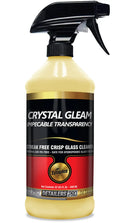
Right behind Quan Gleam: Symplex Crystal Gleam, ammonia- and IPA-free and safe on tint.

Symplex Crystal Gleam $22.99
Ammonia- and IPA-free glass cleaner that's safe on tinted windows.
Symplex manufactures in Orlando.
The inside of your windshield is the most frustrating glass surface to clean. You wipe it, it looks perfect, then you drive into the sun and suddenly every streak, smudge, and haze mark becomes glaringly obvious. Worse, the curved shape makes it nearly impossible to reach the corners without contorting yourself into awkward positions.
But here's the thing: professional detailers get interior windshields perfectly clean every time. It's not magic—it's technique. In this guide, we'll show you exactly how they do it.
Why Is the Inside Windshield So Hard to Clean?
Before we get into the technique, it helps to understand why interior glass is uniquely challenging. There are three main culprits:
1. Plasticizer Film (Off-Gassing)
This is the big one. Your dashboard, door panels, seats, and other interior plastics contain chemicals called plasticizers that keep them flexible and prevent cracking. Over time, these chemicals evaporate in a process called "off-gassing."
The vapors rise, hit the cold windshield glass, and condense into a thin, oily film. This film is nearly invisible when you're looking straight at the glass, but it creates a hazy, smeary appearance when light hits it at an angle—like when you're driving into the sun.
New cars off-gas more than older ones (that "new car smell" is actually off-gassing). Parking in the sun accelerates the process because heat increases evaporation. The film builds up continuously, which is why your interior windshield gets dirty even if you never touch it.
2. Fingerprints and Skin Oils
Every time you touch the glass—adjusting your rearview mirror, pointing at something, or cleaning it with your bare hands—you transfer oils from your skin. These oils smear easily and are surprisingly difficult to remove completely.
3. Airborne Residue
Smoking, vaping, air fresheners, and even cooking odors that linger on your clothes can deposit residue on interior glass. This residue combines with the plasticizer film to create a stubborn, multi-layered coating.
What You'll Need
Gather these supplies before you start:
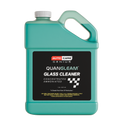
- Glass cleaner: Quan Gleam Glass Cleaner Concentrated diluted 4:1 for heavy film, or 8:1 for maintenance cleaning
- Two clean microfiber towels: Waffle-weave or short-nap towels work best for glass. Dedicate these towels to glass only—never use them for other detailing tasks
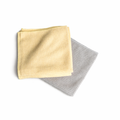
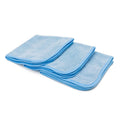
- Optional: Glass-specific towels like Koch Chemie Glass Towel 4-Pack or Autofiber Korean Twist Glass Towels
- Optional: Reach tool for easier access to far corners
The Professional Method: Step by Step
Step 1: Clean in the Shade
Never clean glass in direct sunlight or when the car is hot. The cleaner will evaporate before you can wipe it off, leaving streaks no matter how good your technique is. Park in a garage, under a tree, or wait until evening. If the windshield is hot, let it cool down first.
Step 2: Dry Wipe First
Before applying any cleaner, wipe the entire interior windshield with a dry microfiber towel. This removes loose dust and debris that would otherwise turn into muddy streaks when mixed with cleaner. Use light pressure and straight-line strokes.
Step 3: Prepare Your Towels
Fold each microfiber towel into quarters. This gives you eight clean surfaces per towel (four on each side). As one section gets dirty or damp, simply refold to expose a fresh surface.
Spray Quan Gleam onto your first towel until it's damp but not dripping. Never spray cleaner directly onto the windshield—it will drip onto your dashboard and leave residue in places you can't easily reach.
Step 4: Work in Sections
Mentally divide your windshield into sections: left third, center third, right third. You'll clean one section completely before moving to the next. This ensures you don't miss any spots and prevents the cleaner from drying before you can buff it.
Starting with the passenger side (easier to reach), wipe the glass using straight vertical strokes. Don't use circular motions—they create visible swirl patterns and just move the dirt around. Overlap each stroke slightly to ensure complete coverage.
Step 5: Immediately Buff Dry
This is the critical step most people skip. Immediately after wiping with the damp towel—before the cleaner has time to dry—buff the same section with your second, completely dry towel. Use the same straight vertical strokes.
The dry towel absorbs any remaining cleaner and polishes the glass to a streak-free finish. If you let the cleaner dry before buffing, it leaves residue that causes streaks.
Step 6: Move to the Next Section
Repeat steps 4-5 for each section of the windshield. Re-dampen your cleaning towel as needed, and refold both towels to fresh surfaces as they get dirty or saturated.
Step 7: Address the Edges
The top edge (where the glass meets the headliner) and bottom edge (where it meets the dashboard) accumulate the most film. Pay extra attention to these areas. You may need to use a fingertip wrapped in the towel to get into tight corners.
Step 8: Final Inspection
Sit in the driver's seat and look through the windshield from your normal driving position. Tilt your head to view the glass at different angles. Any remaining streaks or haze will be visible, especially if you can position a light source behind the glass.
Touch up any problem areas by repeating the damp-then-dry process on that specific spot.
Dealing with Stubborn Film
If your windshield hasn't been properly cleaned in a long time, one pass might not be enough. Heavy plasticizer buildup may require:
- Stronger dilution: Mix Quan Gleam at 3:1 or even 2:1 for the first cleaning, then switch to 8:1 for maintenance
- Multiple passes: Clean the entire windshield, let it dry completely, then clean again. Each pass removes more film
- More agitation: Apply slightly more pressure with the damp towel and make more passes over stubborn areas
Once you've done a thorough initial cleaning, maintenance becomes much easier. A quick wipe every 2-4 weeks prevents heavy buildup from returning.
Reaching the Difficult Areas
The far corners of the windshield are notoriously hard to reach, especially on vehicles with steeply raked windshields. Here are some solutions:
The Reach-Around Method
Instead of reaching straight across from the driver's seat, try reaching around from the passenger side. You'll have a better angle to access the driver's side corners, and vice versa.
Use a Reach Tool
Windshield cleaning tools with pivoting heads and long handles make the job much easier. Wrap your microfiber towel around the head, secure it, and you can reach every corner without straining. These tools are especially helpful for trucks and SUVs with large windshields.
Remove Obstacles
If your rearview mirror, dash cam, or other accessories are in the way, consider temporarily removing them for a thorough cleaning. This also lets you clean the glass that's normally hidden behind them.
How Often Should You Clean Interior Glass?
For most drivers, cleaning the interior windshield every 2-4 weeks keeps it clear. However, you may need to clean more frequently if:
- You have a new car (higher off-gassing rate)
- You park in the sun regularly
- You smoke or vape in the vehicle
- You use strong air fresheners
- You frequently drive into the sun during commutes
Signs it's time to clean: glare when driving toward the sun, reduced visibility at night with oncoming headlights, or visible haze when looking at the glass at an angle.
Common Mistakes to Avoid
- Using paper towels or newspaper: These leave lint, fibers, and (with newspaper) ink residue. Always use quality microfiber
- Circular wiping motions: Creates visible swirl marks. Use straight lines only
- Spraying cleaner on the glass: Causes drips onto the dashboard. Spray onto your towel instead
- Using too much cleaner: More product means more residue to buff off. A lightly damp towel is sufficient
- Cleaning in direct sunlight: Cleaner evaporates too fast, leaving streaks
- Using dirty towels: Towels used for other detailing tasks will transfer oils and contamination. Keep glass towels separate
- Skipping the dry buff: The second dry towel is what makes the difference between streaky and perfect
- Not checking your work: Streaks are often invisible until you view the glass at an angle. Always do a final inspection
Frequently Asked Questions
Why does my windshield get foggy on the inside?
That foggy film is plasticizer residue from your dashboard and interior plastics off-gassing. It's a continuous process that accelerates with heat and sun exposure. The only solution is regular cleaning with a glass cleaner strong enough to cut through the oily film, like Quan Gleam.
Can I use Windex on my car's interior windshield?
You can, but automotive glass cleaners like Quan Gleam are formulated for the heavier contamination found on car glass. Windex is designed for household dust and fingerprints, not plasticizer film. Also, standard Windex contains ammonia—avoid it if you have aftermarket tint.
Why do I still see streaks after cleaning?
Usually one of three reasons: you're cleaning in direct sunlight (cleaner dries too fast), you're not buffing with a dry towel immediately after cleaning, or your towels are dirty/contaminated. Try the process again in the shade with fresh towels.
How do I prevent the film from building up?
You can't completely prevent off-gassing, but you can slow it down. Use a windshield sunshade when parked, park in the shade when possible, and clean the interior glass regularly before buildup gets heavy. Keeping your car cooler reduces the rate of off-gassing.
Is it worth buying dedicated glass towels?
Yes. Glass-specific microfiber towels like Koch Chemie Glass Towels are designed to be lint-free and leave no streaks. They make a noticeable difference compared to general-purpose microfibers, and keeping them dedicated to glass only ensures they stay contamination-free.
Get Crystal-Clear Interior Glass
A clean interior windshield isn't just about appearance—it's about safety. Reduced glare and improved visibility make driving easier and less fatiguing, especially on long trips or when driving into the sun.
Everything you need for perfect interior glass:
- Quan Gleam Glass Cleaner Concentrated – Professional-strength ammoniated formula that cuts through plasticizer film
- Koch Chemie Glass Towel 4-Pack – Lint-free microfiber designed specifically for glass
- Autofiber Korean Twist Glass Towels – Premium waffle-weave glass towels
Questions about glass cleaning or other detailing challenges? Contact our team—we're always happy to help.