How to Clean Car Interior Plastics and Vinyl (The Pro, Non-Greasy Method)
If your dashboard looks dusty 10 minutes after you clean it, or your door panels feel sticky, you’re not “bad at detailing.” You’re just dealing with modern interiors: textured plastics, vinyl coatings, skin oils, sunscreen transfer, and the slow bake of Florida sun through glass.
The fix is not blasting everything with a shiny dressing that turns your cabin into a glare factory. Real interior detailing is a 2-step system: clean (remove oils/soil) + protect (reduce UV drying/fading). Here’s the exact method we use at Auto Care Genius.
Why interior plastics fade, look chalky, or crack
Interior plastics and vinyl degrade mostly from UV exposure and heat. UV-driven oxidation can cause discoloration and surface cracking over time, especially on dashboards that face the windshield all day. (If you want the nerd-proof version, UV photo-oxidation in polymers is well documented in materials research.)
- UV + heat: dries and weakens the surface, leading to fading and brittleness.
- Skin oils + lotions: create shiny patches and attract dust.
- Wrong products: greasy “high gloss” sprays can smear, attract dirt, and create windshield glare (Consumer Reports specifically warns against glossy interior sprays because of glare risk).
So we’re going for “clean OEM” not “tire-shine dashboard.”
What you’ll need
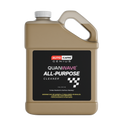
- Cleaner: Quan Wave All Purpose Cleaner
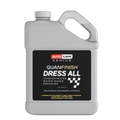
- Protectant/dressing: Quan Finish Dress All Concentrated Water Based Dressing
- Microfiber towels: 6–10 clean towels (interiors eat towels)
- Soft interior brush: for textured plastics and seams
- Detail swabs or a small brush: vents, buttons, tight edges
- Optional: a small spray bottle for diluted product, and a foam/applicator pad for dressing
The interior cleaning system (clean + protect)
Step 1: Dry prep first (vacuum + dust)
Don’t spray cleaner onto a layer of loose dust. That’s how you get muddy streaks.
- Vacuum seats, carpet edges, and around the center console.
- Dry-wipe the dashboard and door panels with a microfiber towel.
- Use a soft brush to knock dust out of texture and seams, then vacuum it up.
Step 2: Mix the right dilution (this matters)
For most interior plastics and vinyl, you want cleaning power without harshness.
- Maintenance / safe default: 10:1 (10 parts water : 1 part Quan Wave All Purpose Cleaner)
- Dirtier areas (door kick panels, armrests): 6:1
- Spot treatment (stubborn grime): 4:1 (test first, don’t live here daily)
Rule: Start mild, then increase strength only where needed.
Step 3: Clean plastics/vinyl the pro way (spray the towel, not the car)
Before you start: Quan Wave is a strongly alkaline professional cleaner (pH above 12.5) — even diluted, wear nitrile gloves and eye protection, keep the doors open for airflow while you work, and wash your hands afterwards.
Interiors have electronics, seams, and places cleaner loves to hide. So:
- Spray your microfiber towel (not the dash) with your diluted Quan Wave solution.
- Wipe a small section using straight passes. Flip to a clean side as the towel loads up.
- For textured plastics, agitate lightly with a soft brush, then immediately wipe clean with microfiber.
- Follow with a second, slightly damp towel (water only) if you used stronger dilution or see residue.
- Dry buff with a clean towel to eliminate streaks and leave a neutral finish before dressing.
Where to focus (because humans touch everything)
- Steering wheel + shifter area: skin oils, grime buildup
- Door pulls/armrests: lotion, sunscreen transfer
- Center console: spilled drinks, sticky residue
- Dashboard top: dust + UV exposure
Step 4: Protect and finish (the part most people skip)
Cleaning makes it look better today. Protection keeps it from turning dry, faded, or chalky later. This is where Quan Finish Dress All comes in.
Why a water-based dressing? Water-based interior dressings are popular because they can leave a more natural finish and are less likely to feel greasy when applied correctly. The goal is UV protection without slickness.
How to apply Quan Finish Dress All (satin or matte, your choice)
- Dilute Quan Finish Dress All 50/50 with water first — it's a concentrate, and the manufacturer specifies the 50/50 mix for the natural satin look this guide is after (full strength gives a glossier finish). Put a small amount on an applicator pad or microfiber towel, wearing gloves.
- Apply a thin, even coat to plastics/vinyl (dash, door panels, trim).
- Let it sit for about 30 seconds.
- Buff off excess with a clean microfiber towel.
Finish control:
- More matte/OEM: buff sooner and more aggressively.
- More satin: allow slightly more dwell, then buff lightly.
Cheat sheet: interior plastics + vinyl cleaning table
| Surface | Cleaner + Dilution | Tool | Finish Step |
|---|---|---|---|
| Dashboard + door panels | Quan Wave 10:1 | Microfiber towel + soft brush | Quan Finish Dress All (buff to satin/matte) |
| Dirty kick panels + lower doors | Quan Wave 6:1 | Brush agitation + wipe | Optional light dressing |
| Sticky spots / grime patches | Quan Wave 4:1 (spot test) | Microfiber + gentle brush | Dress after fully clean/dry |
Common mistakes that make interiors look worse
- Using one dirty towel forever: you’re just smearing oils around.
- Spraying product directly into vents/buttons: hello, trapped residue.
- Overusing dressing: more product = more dust attraction unless buffed properly.
- Making the dashboard shiny: glare + greasy look. No.
- Ignoring UV protection: clean today, fade tomorrow.
How often should you clean and protect interior plastics?
- Light clean (dust + wipe): weekly or biweekly
- Full clean (Quan Wave 10:1): every 3–6 weeks
- Protect (Quan Finish Dress All): every 6–10 weeks, sooner if parked outside in strong sun
If you use a sunshade and park in shade when possible, you’ll stretch these intervals. If you park outside in Florida sun… you already know how this story ends.
Frequently Asked Questions
What’s the best way to clean a car dashboard?
The best method is: dry dust first, then wipe with a microfiber towel lightly dampened with a gentle cleaner like Quan Wave All Purpose Cleaner at 10:1. After it’s clean and residue-free, apply a thin coat of Quan Finish Dress All and buff to a satin or matte finish.
What should I use as a vinyl cleaner for car interiors?
Use a properly diluted interior-safe cleaner (10:1 for general cleaning, 6:1 for heavier grime). Avoid soaking seams. Wipe clean and dry before applying any protectant.
Why does my dashboard get dusty so fast after cleaning?
Usually because there’s leftover oily residue (from previous dressings or cleaner) that attracts dust. Strip it gently with a proper interior cleaning step, then apply a thin protectant and buff off excess.
Should my interior dressing be matte or glossy?
Matte/satin is generally safer and cleaner-looking. Glossy dashboards can increase windshield glare and look greasy. If you want OEM, buff your dressing more thoroughly to reduce shine.
Can I use the same product on plastic, vinyl, and rubber trim inside the car?
Yes, with the right approach: clean first using a safe dilution, then protect. Quan Finish Dress All is designed for plastics/vinyl/rubber when applied thin and buffed properly.
Recommended products (the simple interior combo)
- Quan Wave All Purpose Cleaner – dilute 10:1 for interior plastics and vinyl; step up to 6:1 for heavier grime
- Quan Finish Dress All – water-based interior dressing that buffs down to a clean satin/matte finish
If you want help picking the right dilution or tools for your specific interior (leather, coated trim, screens, etc.), contact our team and we’ll point you the right direction.
Sources
- Consumer Reports: notes on interior cleaning + avoiding glossy dash sprays due to glare
- NHTSA/Service bulletin PDF: guidance for cleaning/disinfecting cab surfaces and touch screens
- Tesla Owner’s Manual: cautions on interior cleaning chemicals and screen care
- PMC (review): UV-induced photo-oxidation effects on plastics (discoloration/cracking over time)