CarPro UltraCut Review: The Cut Compound That Does It All
When it comes to achieving a flawless finish on your vehicle, the right cut compound is essential. CarPro UltraCut is making waves in the detailing community for its versatility and effectiveness. But does it truly live up to the hype?
Quick Answer
CarPro UltraCut is a versatile cut compound that excels in removing scratches and imperfections while leaving a high-gloss finish. Ideal for both professional detailers and DIY enthusiasts, it offers an all-in-one solution for paint correction needs.
The Symplex Swap
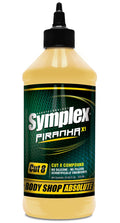
The Symplex swap for UltraCut: Piranha X1, the Cut 8 compound Symplex calls its true one-step. It's optimized for rotary polishers.

Symplex Piranha X1 Cut 8 from $20.08 · gallon $93.40 (about $0.73/oz)
The compound Symplex calls its true one-step: corrects and finishes in one pass. Optimized for rotary polishers.

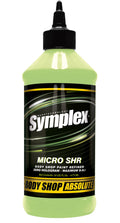
Symplex Micro SHR Refiner from $18.63 · gallon $85.40 (about $0.67/oz)
Removes holograms, buffer trails and compounding haze. Rotary or DA, on a soft foam pad.
Symplex manufactures in Orlando. See the full Symplex Cut 7, 8 and 9 guide →
What Makes CarPro UltraCut Stand Out?
CarPro UltraCut is designed to tackle a wide range of paint imperfections, from deep scratches to surface marring. This compound is formulated with a blend of advanced abrasives that break down evenly to ensure a smooth, mirror-like finish. One of its standout features is its ability to be used with both rotary and dual-action polishers, making it highly versatile for different detailing needs.

Recommended
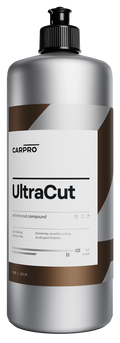
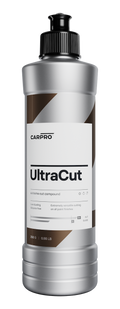
CARPRO UltraCut Extreme Cut Compound 250ml (8oz)
CarPro UltraCut is perfect for removing scratches and oxidation, providing a high-gloss finish. It's suitable for use with both rotary and DA polishers.
Shop NowCarPro UltraCut's formulation allows it to cut through heavy defects while finishing down to a high gloss, which reduces the need for multiple products. This characteristic makes it particularly appealing for both professional detailers and DIY enthusiasts looking to streamline their product lineup.
Pro Tip
For optimal results, pair CarPro UltraCut with a high-quality microfiber cutting pad to enhance its cutting action and finish.
Maintenance Tip
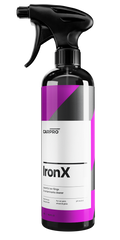
Before reaching for UltraCut, always decontaminate the paint first — embedded iron particles dragged across paint by a polishing pad will scratch worse than the defects you're trying to fix. Shop CarPro IronX →
UltraCut Polishing Compound: Reviews & Verdict
If you're reading UltraCut polishing compound reviews before committing a full correction job to it, that's the right instinct — a compound that under-delivers costs you a weekend, not just the price of the bottle. So here is the honest pro verdict, scored the way we judge every compound that crosses our bench: on cut, finish, ease of use, and how much of your shelf it replaces.
Review Scorecard
What Detailers Consistently Report
No cherry-picked testimonials here — this is simply where owner feedback consistently lands, and it tracks with what we see on our own machines:
- The cut is real. Heavy swirls, oxidation and sanding marks come out quickly, and it finishes glossy enough that many panels need only a light refining pass afterward.
- The results survive the first wash. With no fillers or glazes in the formula, the correction you see after wipe-down is actual correction — not defects temporarily masked by oils that reappear weeks later.
- One bottle, any machine. It runs on rotary and dual-action polishers alike — the reason so many working detailers use it to consolidate a shelf of single-purpose compounds.
And the recurring criticisms, because no compound is perfect:
- Softer paints show micro-marring. Aggressive cut leaves faint haze on soft clear coats — plan a finishing polish behind it rather than hoping it finishes down perfectly.
- It's overkill for light swirls. If a finishing polish can fix your defects, this much cut just makes extra work.
- Pad choice swings the results. The detailers reporting the best cut and cleanest finish are running it on a microfiber cutting pad — the pairing CarPro itself recommends.
The Verdict
4.7/5. UltraCut earns its reputation. If your paint has defects a finishing polish can't touch, this is the compound we hand people: serious cut, a genuinely respectable finish, and no fillers hiding the truth. Pair it with a microfiber cutting pad, budget a refining pass on softer paint, and it will not disappoint.
Before You Buy: What to Expect
The biggest variable in how UltraCut behaves isn't the bottle — it's your paint. Clear-coat hardness varies widely between manufacturers, and it changes both how fast defects come out and how clean the finish looks when you're done. Set your expectations accordingly:
- Harder clear coats: defect removal takes longer — expect multiple section passes on deeper scratches — but the paint resists micro-marring, so the finish tends to come down cleaner.
- Average clear coats (most swirled daily drivers): one solid compounding pass handles the bulk of the damage; a light refining polish afterward and the panel is ready for protection.
- Softer paints and dark colors: UltraCut cuts fast here, but soft paint hazes readily and dark paint hides nothing. Budget for a dedicated finishing step with a lighter polish before you seal or coat.
Whatever you drive, start with a test spot: one small section, one pad, a set number of passes, then inspect in good light. That single test tells you the pad, pressure and pass count for the entire car — and whether you need this much cut at all.
Pad Pairings & Expected Results
| The Job | Tool & Pad | What to Expect |
|---|---|---|
| Heavy correction — deep scratches, sanding marks, oxidation | Rotary or DA polisher + microfiber heavy cutting pad | Maximum cut. Plan a refining polish pass afterward. |
| Moderate swirls on a daily driver | DA polisher + microfiber cutting pad, moderate pressure | Strong correction; inspect for haze before sealing. |
| Soft or dark paint | DA polisher, reduced pressure | Fast cut, but micro-marring is likely — always follow with a finishing polish. |
| Spot repairs and tight areas | By hand | Slowest option; repeat passes for deeper defects. |
If this is your first machine-correction job, two reads are worth ten minutes before you start: our step-by-step dual-action polisher guide for beginners covers machine technique from pad priming to arm speed, and if you haven't picked a machine yet, the best dual-action polishers for beginners (2026) roundup will keep you from overbuying. For the complete defect-removal workflow from wash to protection, see how to remove swirl marks from car paint.
When Do You Actually Need a Cutting Compound?
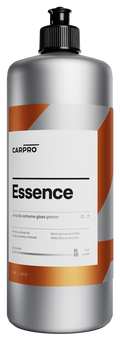
UltraCut is the aggressive end of paint correction, so the honest answer is: only when the defects justify it. Reach for it on deep scratches, sanding marks, heavy swirls, and serious oxidation — the kind of damage a finishing polish just hazes over. For light swirls or holograms, you do not need this much cut; a one-step finishing polish like CarPro Essence will do the job and leave a glossier finish. The phrase "body-shop safe" matters here too: UltraCut contains no fillers or glazes, so what you see after wiping is the real corrected result, not temporarily masked defects that reappear weeks later.
Because it cuts hard, UltraCut almost always wants a refining step behind it — follow it with a lighter polish to remove any micro-marring, then a panel wipe before protection. If you are correcting paint specifically to prep for a coating, that whole sequence is laid out in our how to apply a CarPro ceramic coating guide.
How to Use CarPro UltraCut
Using CarPro UltraCut is straightforward, but like any detailing product, it requires the right technique to achieve the best results. Here’s a step-by-step guide to using this exceptional cut compound effectively:
Complementary Products for Best Results
To get the most out of CarPro UltraCut, it's beneficial to use complementary products that enhance its performance. Pairing it with the right pads and pre-treatment products can ensure a seamless detailing process.

Recommended
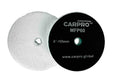
CARPRO Microfiber Heavy Cutting Pad 6"
This cutting pad is designed to maximize the cutting power of CarPro UltraCut, ensuring efficient defect removal.
Shop Now
Recommended
CARPRO IronX 500ml (17oz)
Use IronX to remove iron contaminants and ensure a clean surface before applying UltraCut for maximum effectiveness.
Shop NowBy incorporating these products into your detailing routine, you can significantly enhance the performance of CarPro UltraCut, achieving a professional-grade finish every time.
Related Reading
- CarPro IronX iron decon shootout — Why iron decon comes before paint correction
- CarPro TarX review — Remove tar and adhesive contamination before compounding
- Complete CarPro product guide — Where UltraCut fits in the full CarPro system
Frequently Asked Questions
Can CarPro UltraCut be used on all paint types?
Yes, CarPro UltraCut is safe for use on all paint types, including clear coats and single-stage paints. However, always perform a small test area first to ensure compatibility.
Is a dual-action polisher necessary for using CarPro UltraCut?
While a dual-action polisher is recommended for optimal results, CarPro UltraCut can also be applied using a rotary polisher or by hand, depending on your level of experience and the severity of the paint defects. Whichever method you use, wear nitrile gloves and safety glasses — compound splatter is an eye hazard.
How often should CarPro UltraCut be used?
CarPro UltraCut should be used as needed, typically during major paint correction sessions. It's not necessary for regular maintenance unless addressing specific defects.
Can I use CarPro UltraCut in direct sunlight?
It is best to use CarPro UltraCut in a shaded area or indoors to prevent the compound from drying too quickly, which can make removal more difficult and affect the finish.
For more information on CarPro products, visit our CarPro collection.
UltraCut vs Essence — which do I need?
Different jobs. UltraCut is a heavy cutting compound for removing defects; Essence is a finishing polish with a built-in SiO₂ primer that refines and preps for coating. Heavy correction often uses both — UltraCut to cut, Essence to finish and gloss before you coat.
Do I need to polish again after using UltraCut?
Usually yes. Aggressive compounding can leave faint micro-marring or haze, especially on softer paint. A quick refining pass with a lighter polish restores full clarity before you seal or coat.
Is UltraCut safe to use before a ceramic coating?
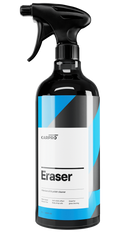
Yes — correction is exactly when you want it. Cut the defects, refine, then wipe every panel with CarPro Eraser — gloves on, windows open and away from ignition sources, since it's a flammable alcohol wipe — to strip polishing oils so the coating bonds. See the full prep-to-coat workflow in our ceramic coating guide, or browse the whole lineup in the complete CarPro product guide.
Does UltraCut polishing compound work?
Yes — when it's matched to the job. On genuine defects like heavy swirls, oxidation and sanding marks, paired with a microfiber cutting pad, it removes damage quickly and finishes with impressive gloss for a compound this aggressive. What no compound can do is erase a scratch deep enough to catch a fingernail — that damage is through the clear coat. Do a test spot first and UltraCut delivers.
Is UltraCut a compound or a polish?
UltraCut is a cutting compound — the aggressive end of the paint-correction spectrum. Plenty of searchers call it a "polishing compound," and the name half-fits: it cuts like a heavy compound but finishes closer to a polish than most products in its class. It is still not a finishing polish, though — for final gloss, follow it with a dedicated refining step as covered above.
What pad should I use with UltraCut polishing compound?
A microfiber cutting pad is the pairing CarPro recommends and the one we run — it maximizes the cutting action and defect removal. For lighter jobs, dial back pressure before you dial back the pad. Whatever you run, clean the pad frequently; a loaded pad cuts unevenly and drags spent compound across the finish.
Can a beginner use UltraCut with a DA polisher?
Yes. A dual-action polisher is the forgiving way to run UltraCut — far harder to burn paint with than a rotary. Start with a test spot, moderate pressure and overlapping passes, and brush up on machine technique with our dual-action polisher beginner's guide before your first panel.
Ready to Get Started?
Enhance your detailing arsenal with CarPro UltraCut and experience the difference in paint correction.
Shop CarPro →