Quick Answer
To restore faded black plastic trim, scrub the grain clean with APC and a brush, wipe it down with diluted isopropyl alcohol, then apply a thin coat of a UV-absorbing restorer like Ardex PTR and buff before it sets. Fading is UV damage, not dryness: sunlight spends the plastic's UV stabilizers and leaves micro-pits that scatter light and read gray, so oil only masks it for a wash or two.
The bumper cover on a five-year-old Orlando car tells you everything. Flawless paint above it, clean wheels, dressed tires — then a chalky gray band across the lower bumper, the mirror caps, and the cowl panel. It reads as neglect on a spotless car. Most people grab whatever will make it black again, and the two most popular answers online — oil it or heat-gun it — answer the wrong question. Faded trim isn't dry. It's damaged, and that changes the fix.
Why Black Trim Fades — and Why "The Oils Dried Out" Is a Myth
Exterior trim is usually a filled polypropylene or TPO: a black polymer loaded with carbon black for color and mineral filler for stiffness, with a rubber phase — an EPDM-type elastomer — blended into the polypropylene to give a bumper cover its flex. Over that sits a stabilizer package, the UV absorbers and hindered-amine light stabilizers whose entire job is to intercept sunlight before it reaches the polymer. Sunlight consumes that package first. Once it is spent, photo-oxidation goes to work on the polymer itself, breaking chains at the surface, and as that surface layer erodes it exposes the mineral filler underneath. That exposed filler is the chalk you find on your fingertip. What remains is a thin layer chemically different from the plastic below: brittle, chalky, microscopically rough.
That roughness is why faded trim reads gray rather than merely dull. The carbon black is still there; it didn't evaporate. A smooth black surface absorbs light, while a micro-pitted one scatters it, and scattered light looks like gray haze. Which is why the internet's favorite advice is wrong. Trim was never oily — the flex in a bumper cover comes from that rubber phase locked into the polymer, not from an oil or a softener that can dry out and wash away. What household oil does is fill the pits, so the scattering stops and it looks restored. That's an optical patch laid over the damage, and the first rain takes it off.
Why Sun-Faded Trim Is Worse in Central Florida
Most articles on this topic are written for a generic nowhere, which is a problem when sun exposure is the biggest variable there is. Central Florida is among the harshest UV environments in the eastern US: the UV index stays meaningful even in winter, summer runs a near-daily cycle of afternoon storm followed by hours of direct sun, salt air is an hour away, and most cars live outside. Plan on the short end of any national durability figure here.
The Four Ways to Fix Faded Trim, and What Each One Physically Does
There are only four categories of fix, and they aren't four grades of the same thing. They're four different physical interventions, which is why they last four different lengths of time.
| Approach | What it physically does | Typical durability | Honest verdict |
|---|---|---|---|
| Household oil (olive oil, baby oil, peanut butter, WD-40) | Fills the micro-pits with an oil film so the surface stops scattering light. Adds nothing protective. | Days to a couple of weeks — often gone with the first rain | Free and instant, then worse than where you started |
| Silicone dressing | Lays a silicone film over the surface that darkens it and repels water. Masks the fade; doesn't reverse it. | Typically a few weeks, depending on sun and wash frequency | A real maintenance product — but not a restorer, and not for a car with paintwork ahead of it |
| Water-based dressing | Same idea without the silicone: a water-repellent film that evens out trim which is still healthy. Masks the fade; doesn't reverse it. | Typically a few weeks, depending on sun and wash frequency | The friendlier film to have near paint — but still read the label, some carry their own refinish restrictions |
| Trim restorer with a bonded UV absorber | Works into the damaged layer, re-establishes an even light-absorbing surface, and bonds a UV absorber in to slow the next fade. | In our experience, typically several months, depending on sun, wash frequency, and prep | The right tool for plastic that has genuinely gone gray |
| Dedicated SiO2 / ceramic trim coating | Cures into a hard sacrificial layer that takes the UV hit instead of the plastic underneath. | Longest of the four, with the same caveats | Longest-lasting and least forgiving of poor prep |
A dressing and a restorer aren't competitors, they're sequential: a dressing keeps healthy trim even, a restorer is for plastic that has already broken down. Using a dressing on oxidized trim is this category's most common wasted afternoon — superb while wet, gray again a week later. And every figure above is a typical range, not a guarantee. Ardex publishes no month figure for PTR, so the range above is ours, from using it here — not a manufacturer spec.
How Long a Restorer Really Lasts (and Why Nothing Is Forever)
"Restore black plastic car trim permanently" is one of the most-searched phrasings here, and nearly every page ranking for it puts the word in the headline and then contradicts itself. The straight version: nothing on UV-exposed exterior plastic is permanent, because the UV load never stops. The best any product does is replace protection faster than sunlight strips it.
What is achievable is permanent-looking trim — black every time you walk up to the car, because you're on a rhythm instead of a rescue mission. Restore it once properly, then check the high-sun edges each spring and fall and reapply when color starts to lift. That's a maintenance check-in, not a durability rating, and our wash and detail cadence guide folds trim into the calendar. A cracked piece, or one shedding chalk within days, is past restoring.
Home Remedies: Peanut Butter, Olive Oil, and WD-40
All of them work for about a day, for one shared reason: they're oils, and oils fill micro-pits. Olive oil and baby oil darken trim on contact. Then the oil, bound to nothing, collects dust and pollen within days; organic oils go rancid in Florida heat; and oil migrates, so the first rain streaks it down over the paint below. Peanut butter is the same story with protein and sugar added.
WD-40 is the most defensible of the three: a light solvent-and-oil blend rather than a food product, so it won't go rancid and it cleans a little while it darkens. But it adds no UV protection to the plastic, and repeatedly soaking solvent into a surface that has already lost its stabilizer package isn't helping it. Fine before a photo. Not a fix.
Pro Tip
Already oiled it? Strip it before you spend money. Oil residue is the number one reason a real restorer comes out blotchy — nothing bonds where oil is still sitting in the grain. Scrub with diluted all-purpose cleaner and a medium-bristle brush, rinse, dry fully, then wipe with a diluted isopropyl alcohol mix until a fresh towel comes away clean.
The Heat Gun Method — Why We Don't Publish Instructions
Heating faded plastic does make it black again, which is why the trick keeps resurfacing on forums. Heat re-flows the degraded surface layer smooth and brings up whatever oxidized material and low-molecular-weight additive is still left in the piece, and a smooth surface absorbs light instead of scattering it. The problem is that it's a one-way door. Nothing about heating replaces the stabilizer package the sun already spent, so you're buying appearance out of a reserve that is finite — a piece only has a handful of treatments in it before nothing more comes up. Add a tool hot enough to warp a bumper cover and burn you. We don't recommend it, and we publish no settings.
Prep Is the Whole Job (This Is Why Restorers Go Blotchy)
When a restorer goes patchy, prep is almost always why — and most guides give it one sentence. Exterior trim is pebbled on purpose, and that texture is a trap: old dressing, wax, sealant, polish residue driven in by a pad, and road film all sit down in the grain. A restorer bonds only where it can reach, so you get dark where it bonded and gray where old product blocked it. The grain also holds soapy water and releases it slowly, so a piece that looks dry can still be damp. If you don't already have a cleaner you trust for this step, our degreaser and APC guide covers what to reach for and how far to dilute it.
Pro Tip
Mask trim before you polish, every time. Compound driven into pebbled texture by a spinning pad is nearly impossible to get back out, dries chalky white in exactly the grain a brush can't reach, and will sabotage a restorer months later.
How to Restore Faded Black Plastic Trim, Step by Step
This mirrors Ardex PTR's own directions, and the shape applies to any quality restorer.

The hero — silicone-free restorer
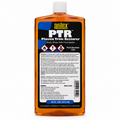
Ardex PTR Plastic Trim Restorer — $29.29
Revives the deep, factory-fresh color of weather-beaten exterior plastic, vinyl, and rubber without dyes, solvents, or silicone. Ardex specifies a patented UV absorber that bonds into the surface to lock the color in, and because it isn't a dye, it won't transfer onto clothing the way dye-based restorers do. Silicone-free and body-shop safe, and it covers everything from trim and molding to bumpers and truck bedliners.
Shop NowThat distinction matters when you shop: a dye colors the surface, a restorer repairs it — which is why one ends up on your jeans and the other doesn't. Ardex PTR is the second kind.
Surface by Surface: Bumpers, Flares, Seals, Mirror Caps, and Bedliners
Smooth bumper covers, cowl panels, and lower valances are the easy case — even coverage, uniform satin — but they sit right against paint, so mask the edges. Textured fender flares on Jeeps, Broncos, and pickups are the opposite: heavily pebbled, thirsty, and the most likely thing on the car to be holding old dressing deep in the grain. Check them first, though — plenty of flares are painted body-color, and a painted flare isn't a restorer's job.
Rubber seals and molding flex constantly, so keep the coat thin and let it cure before a door slams. Unpainted black mirror caps and roof rails fade first because they take the most direct overhead sun, which makes them a useful early-warning indicator — but confirm they're raw plastic before you touch them, because body-color and gloss-black caps are common and so are painted or anodized rails, and those belong to paint correction, not trim restoration. Truck bedliners are the largest area you'll ever do, so work in sections. One boundary: this is all exterior plastic. Dashboards and cabin vinyl want a low-gloss interior product instead, which our interior plastics and vinyl guide covers.
Silicone vs Silicone-Free — and Why "Body Shop Safe" Matters
Silicone makes rubber and plastic look wet and dark, which is why so many trim dressings are built on it. It's also the worst contaminant you can have near fresh paint: silicone that transfers to a panel causes fisheyes, the craters that turn a refinished panel into a redo. Body shops ban it outright.
So the question isn't which chemistry is better, it's which panel you're standing next to. Ardex PTR is silicone-free and body-shop safe, which is why recon teams run it near a booth. Rubber Bumper Black 6222 is deliberately the opposite — a thick silicone dressing that hides sun-bleached gray fast, with directions to keep it off painted surfaces and glass, and well away from anything headed for paint. Affinity is the third case: water-based, solvent-free, and non-flammable, so it isn't a silicone problem — but Ardex still directs that it not be used in body shops, because it isn't paint-safe for refinish environments. Follow the manufacturer's direction regardless of the chemistry. All three are good products; only one of them belongs near a car about to be sprayed.

Faded rubber bumpers and molding
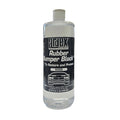
Ardex Rubber Bumper Black 6222 — $45.99
A thick silicone dressing that instantly hides sun-bleached gray on rubber bumpers, body molding, and dark exterior plastic trim in a single wipe-on pass. Fast and dramatic, and strictly for cars with no paintwork in their future — Ardex directs that you avoid contact with painted surfaces and glass.
Shop Now
Between-details maintenance
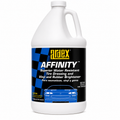
Ardex Affinity Dressing — $15.99
Water-based chemistry with solvent-grade durability: a non-flammable, solvent-free tire, rubber, and vinyl dressing that resists sling and rain wash-off, for keeping healthy trim and tires looking even between full details. Ardex directs that it not be used in body shops — it isn't paint-safe for refinish environments.
Shop NowChoosing the Best Trim Restorer for Faded Plastic
If you're shopping for a faded trim restorer, the decision is really about which of three jobs you have. Plastic that has genuinely gone gray, where you want the color back with UV protection built in: the restorer, Ardex PTR. A rubber bumper that just needs to be black today, with no paintwork in the picture: Rubber Bumper Black. Trim that's already in decent shape and only needs evening out: Affinity. And if what you want is a wipe-on shine rather than a repair, CarPro PERL is a good one — but keep the line straight: PERL dresses trim, it doesn't restore sun-oxidized gray. On how satin and gloss read on a real car, and whether tire products belong on trim at all, the tire shine showdown is the better read.
The wider Ardex range — wheels, dressings, interior, paint correction — is broken down in the complete Ardex product guide, and the rest of the Ardex line is in the Ardex collection.
Troubleshooting: Blotchy, Streaky, or Still Greasy
If your result looks worse than the fade did, it's almost certainly one of these six.
| What you're seeing | What actually happened | The fix |
|---|---|---|
| Blotchy — dark in patches, gray in others | Old dressing, wax, or oil left in the texture blocked the product from bonding. | Re-clean with APC and a brush, wipe with diluted IPA until the towel comes back clean, then reapply thin. |
| Streaky, with visible applicator marks | Too much product, or it set before you leveled it. | Work smaller sections, use less, and buff the excess while it's still workable. |
| Still greasy or tacky an hour later | Over-application — the surface took what it could and the rest is sitting on top. | Buff firmly with a clean, dry microfiber. If it persists, a light APC wipe and one fresh thin coat. |
| It rubs off on clothes or a towel | That's dye transfer, a property of dye-based products rather than bonded restorers. | Clean it off with APC and switch products. Check the label for the word "dye". |
| Dark streaks down the paint after the first rain | Product got onto the paint, or was over-applied above it and migrated down. | Wipe the affected paint with a light APC dilution or a diluted IPA wipe — a pH-neutral shampoo is formulated not to strip dressings, so it won't lift the streak — then re-wax or re-seal that section. Next time, mask the edge and keep the coat thin. |
| Looked great for two weeks, then gray again | Nearly always a prep miss — or a dressing asked to do a restorer's job. | Strip fully, confirm bare plastic with the towel test, and reapply a genuine restorer. |
Keeping It Black
Keeping it is mostly about not undoing it, and the usual culprit is your wash. Strong degreasers and traffic-film removers strip trim products on contact, and plenty of touchless tunnels run exactly that chemistry. Run a restored car through one weekly and you're re-stripping the trim weekly. Use a pH-neutral shampoo instead. Past that: mask before polishing, watch the unpainted mirror caps for the first sign of lift, and reapply on a rhythm rather than waiting for the gray to come all the way back.
Faded trim is the cheapest thing on a car to put right and the thing people put off longest. Do the prep, use a product built for the job, and put the check-in on the calendar. A black bumper is a maintenance item, not a miracle.
Frequently Asked Questions
How long does trim restorer last?
Category matters more than brand. A dressing holds a few weeks; a restorer that bonds a UV absorber into the surface holds, in our experience, several months; a ceramic trim coating goes longest. Those are ranges, not guarantees — sun, wash frequency, and prep all move them, and Florida pushes you toward the short end. Ardex publishes no month figure for PTR, so treat any hard number you see quoted with suspicion.
How do you permanently restore black plastic trim?
You can't, and any page promising otherwise is selling something. UV exposure never stops, so the best any product does is replace protection faster than sunlight removes it. What's realistic is permanent-looking trim: restore it properly once, then check the high-sun edges each spring and fall and reapply as soon as color starts to lift.
Does olive oil restore plastic trim?
It darkens it for a few days, which isn't the same thing. Oil fills the micro-pits so the surface stops scattering light, but it adds no UV protection, attracts dust, goes rancid, and streaks onto your paint in the first rain. It also has to be stripped off completely before a real restorer will bond.
Does WD-40 restore faded plastic trim?
Same verdict, fewer downsides. It's a solvent-and-oil blend rather than a food product, so it won't go rancid and it cleans a little while it darkens. But it adds no UV protection to the plastic, and it washes off fast.
Can you use a heat gun to restore black plastic trim?
We don't recommend it, and we deliberately don't publish settings. Heat re-flows the degraded surface layer and brings up whatever oxidized material and residual additive is still in the piece — a finite reserve, so a piece only has a handful of treatments in it before nothing more comes up. It also replaces none of the UV stabilizer the sun already consumed, so the fade comes back. Add warping and burn risk, and a restorer is the better answer.
What is the best plastic trim restorer for a Jeep Wrangler?
Textured flares are about prep far more than product. Pebbled surfaces hold old dressing deep in the grain, so anything you apply goes blotchy if you skip the APC scrub and the alcohol wipe. Check first that your flares are raw textured plastic rather than painted body-color, because plenty of them are painted. On raw flares, a silicone-free restorer like Ardex PTR suits them, because flares sit right against painted panels.
Related Reading
Bring Faded Trim Back to Black
Ardex PTR Plastic Trim Restorer — silicone-free, body-shop safe, shipped from our Orlando shop.
Shop Ardex →