Tire Shine Showdown: High Gloss vs Matte vs Natural Finish

Free Tire Applicator
Buy any 2 32oz Quan Tire Shine bottles or any gallon of Quan Tire Shine and receive a free tire applicator at checkout (online only).
Shop Tire ShinesNothing finishes off a detail like properly dressed tires. But walk into any auto parts store and you'll find dozens of tire shine products promising everything from "wet look" to "long lasting" to "no sling." How do you know which one is right for your vehicle?
The answer comes down to three factors: the finish you want (glossy, satin, or natural), the formula type (water-based vs solvent-based, silicone vs non-silicone), and how you plan to apply it. In this guide, we'll break down each tire shine category and help you choose the right product for your needs.
Understanding Tire Shine: What It Does and Why It Matters
Tire shine is mostly about looks. Here's what a dressing does, and what it doesn't:
- UV Protection: Tires contain antiozonants that migrate to the surface to protect against UV damage and ozone. Quan Finish adds UV protection: its label says it protects surfaces from harmful UV rays.
- Dry Rot: Don't count on tire shine to stop dry rot. If a tire is already cracking, have a tire shop look at it.
- Aesthetic Appeal: Let's be honest—this is why most people use tire shine. Clean, dressed tires make the entire vehicle look more polished and well-maintained.
The key is choosing a formula that delivers the look you want without damaging your tires or slinging onto your paint after you drive away.
The Three Tire Shine Finish Types
Tire dressings generally fall into three finish categories. Here's what each one looks like and when to use it:
High Gloss / Wet Look
High gloss tire shines create that deep, shiny, "just detailed" appearance. The tires look wet even when dry, with a mirror-like reflection. This is the most dramatic finish and the most popular choice for car shows, photo shoots, and anyone who wants maximum visual impact.
Best for: Show cars, weekend drivers, anyone who wants their tires to stand out
Potential downsides: Some glossy formulas can sling (fling product onto fenders and paint) if over-applied or if you drive before they cure.
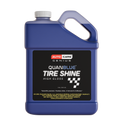
Our Pick: Quan Blue Tire Shine
Quan Blue Tire Shine is our #2 best-selling product with over 315 units sold last quarter. It delivers a deep, wet-look gloss.
Key features:
- High-gloss wet look finish
- Ready-to-use, solvent-based silicone blend
- Available in 32oz ($21.99), 1 gallon, and 5 gallon sizes
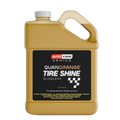
Our Pick for Daily Drivers: Quan Orange Tire Shine Slingless
Quan Orange Tire Shine Slingless is a ready-to-use, high-gloss tire dressing in our Slingless formula (solvent-based, per its safety data sheet). It's the pick if you've ever had tire shine fly onto fenders or paint. Apply a thin coat and let it set before you drive.
Key features:
- High-gloss finish
- Slingless formula
- Ready-to-use, solvent-based silicone blend
- Ideal for daily drivers and trucks
Satin / Matte Finish
Satin or matte tire dressings provide a more subtle enhancement. Your tires look clean, dark, and healthy—but not shiny. This finish is popular with enthusiasts who prefer a more OEM (original equipment manufacturer) appearance, as it mimics how tires look when brand new from the factory.
Best for: Daily drivers, those who prefer understated looks, trucks and off-road vehicles
Potential downsides: A satin or matte finish won't give you the deep wet look of a high-gloss dressing.
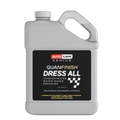
Our Pick for a Softer Look: Quan Finish Dress All
Quan Finish Dress All is a concentrated, water-based silicone dressing. Its label says a 50/50 mix with water gives a natural gloss.
Key features:
- Natural gloss at 50/50 with water
- Higher shine at full strength
- Dries to the touch and won't attract dirt or dust
- UV protection for tires, vinyl, rubber and plastic
Natural / Non-Silicone Finish
Natural finish tire dressings use non-silicone formulas that leave tires looking clean and dark. This is the preferred choice for car show competitors, classic car owners, and anyone who wants their tires to look naturally new rather than dressed.
Best for: Car shows, concours competitions, classic and vintage vehicles, detailers who want a "no product" look
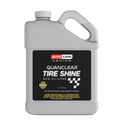
Our Pick: Quan Clear Tire Shine Non-Silicone
Quan Clear Tire Shine Non-Silicone is a solvent-based, non-silicone dressing for when you don't want silicone on the car.
Key features:
- 100% non-silicone formula
- Solvent-based dressing
- Best for car shows and classic cars
Quan Tire Shine Comparison Chart
Here's a side-by-side comparison of all three Quan tire shine products:
| Feature | Quan Blue | Quan Orange | Quan Clear |
|---|---|---|---|
| Finish Type | High Gloss / Wet Look | High Gloss | Non-Silicone |
| Formula | Solvent-Based Silicone Blend | Solvent-Based Silicone Blend (Slingless) | Solvent-Based, Non-Silicone |
| Sling Control | Apply thin, wipe excess | Sold as Slingless | Apply thin, wipe excess |
| Best For | Show cars, weekenders | Daily drivers, trucks | Car shows, classics |
| Price (32oz) | $12.99 | $13.99 | $14.99 |
How to Apply Tire Shine for Best Results
No matter which tire shine you choose, proper application technique makes all the difference. Here's how to get professional results:
Step 1: Clean the Tires First
Tire shine should never be applied to dirty tires. The dressing will trap dirt underneath, leading to a blotchy appearance and reduced longevity. Start by cleaning your tires with an all-purpose cleaner like Quan Wave APC diluted 4:1, or as part of your wheel cleaning process with Quan Brown Wheel Cleaner.
Scrub the tire sidewalls with a stiff brush to remove old dressing buildup, browning, and road grime. Rinse thoroughly and dry before applying new dressing.
Step 2: Use an Applicator Pad
Never spray tire shine directly onto the tire. This wastes product, causes overspray onto wheels and paint, and makes it nearly impossible to apply evenly. With solvent-based dressings — classified as highly flammable — overspray also lands on brake components that get extremely hot in normal driving, so apply to cool tires, wear nitrile gloves and eye protection, and let the dressing flash off before driving.
Instead, use a dedicated tire dressing applicator. Our Wheel & Tire Detailing Kit includes TDA3 applicator pads designed specifically for tire dressing application. Apply product to the pad, then wipe onto the tire sidewall in even, overlapping strokes.
Step 3: Apply Thin, Even Coats
The biggest mistake people make with tire shine is applying too much product. Excess dressing is what causes sling—the product hasn't bonded to the rubber, so it flings off when the tire spins.
Apply a thin, even coat and work it into the rubber. For Quan Blue (high gloss), build the full wet look with two thin coats instead of one heavy one. Let each coat dry for 5-10 minutes before adding another.
Step 4: Wipe Off Excess
After applying, take a clean microfiber towel and lightly wipe the tire sidewall to remove any excess product. Even with Quan Orange Slingless, a quick wipe is a good habit, especially if you plan to drive right after application.
Step 5: Avoid the Tread
Never apply tire shine to the tire tread. It's unnecessary (no one sees the tread), wasteful, and potentially dangerous as it can reduce traction. Keep the product on the sidewall only.
How Long Does Tire Shine Last?
Tire shine longevity depends on several factors:
- Product formula: Quan Blue and Quan Orange are solvent and silicone-based dressings. Every formula wears differently, so reapply when the shine starts to fade.
- Driving conditions: Rain, car washes, and dusty roads will shorten the lifespan of any tire dressing.
- Application technique: Properly cleaned tires with thin, even coats will hold dressing longer than dirty tires with heavy, sloppy application.
- Tire condition: New tires with smooth sidewalls hold dressing better than older, weathered tires with micro-cracks.
For best results, reapply tire shine during your regular wash routine. If you wash your car weekly, a quick tire dressing touch-up takes just a few minutes and keeps your tires looking fresh.
What Causes Tire Shine Sling (And How to Prevent It)
Sling happens when tire dressing flings off the tire onto your fenders, paint, and wheel wells while driving. It creates greasy spots that are difficult to remove and looks terrible. Here's how to prevent it:
- Apply less product: The #1 cause of sling is over-application. If the product is pooling or dripping, you've used too much.
- Use an applicator: Spraying directly on the tire almost always results in too much product in some areas.
- Let it cure: Give the dressing 15-30 minutes to bond with the rubber before driving, especially in hot weather.
- Wipe off excess: A quick wipe with a dry towel removes unbonded product that would otherwise sling.
- Choose a Slingless formula: Quan Orange Tire Shine Slingless is the one to grab if fling is your worry. Still apply it thin.
Frequently Asked Questions
Is tire shine bad for tires?
Quan Blue, Orange and Clear are tire dressings, so keep them to a thin coat on a clean sidewall and off the tread. Just don't count on any shine to stop dry rot. Tire makers told Consumer Reports in 2016 that today's tires are formulated to resist UV light and ozone and don't need aftermarket products to preserve them, and that the shine is cosmetic. If a tire is already cracking, CR says it shouldn't be used, so have a tire shop look at it.
Can I use tire shine on plastic trim?
Only if its label lists plastic. Quan Blue and Quan Orange are made as tire dressings, so keep them on the sidewall. For exterior trim, use a dedicated trim restorer or a product like Quan Finish Dress All which is designed for plastics, vinyl, and rubber.
How do I remove old tire shine buildup?
Heavy buildup of old tire dressing can turn brown and look terrible. To remove it, spray Quan Wave APC at 4:1 dilution on the tire sidewall, let it dwell for 2-3 minutes, then scrub with a stiff tire brush. Repeat if necessary. Once clean, apply fresh tire shine to restore the appearance.
Should I apply tire shine before or after waxing my car?
Apply tire shine last, after you've finished washing, polishing, and protecting the paint. This prevents accidental overspray onto freshly waxed surfaces and lets you see the full finished result of your detail.
Why do my tires turn brown even after applying tire shine?
Tire browning (also called "blooming") happens when antiozonants in the rubber migrate to the surface and oxidize. It's a natural process that accelerates with UV exposure. Regular cleaning scrubs the brown off and fresh dressing restores the look, but neither stops blooming for good. If your tires brown quickly, clean and re-dress them more often.
Choose Your Finish
The right tire shine is the one that gives you the look you want. Here's our recommendation based on your style:
- Want maximum wet-look shine? → Quan Blue Tire Shine
- Want high gloss on a daily driver? → Quan Orange Tire Shine Slingless
- Prefer a softer, natural sheen? → Quan Finish Dress All, diluted 50/50
- Need a show car dressing with no silicone? → Quan Clear Tire Shine Non-Silicone
- Want everything you need for complete wheel and tire care? → Wheel & Tire Detailing Kit
All Quan tire shines are available in 32oz spray bottles, 1 gallon jugs for frequent users, and 5 gallon pails for professional detailers. Questions? Contact our team and we'll help you find the perfect tire shine for your needs.