How to Clay Bar a Car, Step by Step
A wash takes off the dirt sitting on your paint. It doesn't take off what's stuck to it. Run your hand across a clean panel, and if it feels gritty, that's bonded contamination. That's what clay is for.
Here's how to tell whether your car needs it, why the iron remover goes first, which lube to use, the step-by-step method, and what to put on the paint when you're done.
Quick Answer
To clay bar a car, wash it, then remove iron with Quan Purge and rinse. Spray a 2x2 ft section generously with clay lube, like Symplex Silica Waterless Wash mixed 1:30, and glide the clay back and forth with light pressure until it moves smoothly. Wipe the section, fold the clay to a clean face and repeat. Then protect the paint.
Does Your Car Need Clay?
Do the bag test. After a wash, slip your hand into a thin plastic sandwich bag and lightly run it over the paint. If it feels gritty or rough, it needs clay. If it feels smooth as glass, it doesn't.
Clay also belongs before polishing or a coating. CarPro puts it well: "You want to remove all contaminants before polishing so you can work on a clean canvas rather than dragging tiny contaminants across the paint during the polishing phase."
Iron Remover First, Then Clay
Clay and iron remover do different jobs. Clay pulls off what's bonded on top of the paint. An iron remover dissolves iron, like brake dust and rail dust, that's embedded in it. CarPro draws the same line: its PolyShave synthetic-clay tools "remove the above surface bonded contaminants," and IronX removes "anything below the surface of the paint."
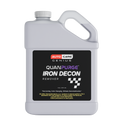
Doing the iron first leaves less for the clay. Quan Purge is our iron remover. Its label says it removes embedded brake dust, rail dust, iron deposits and environmental fallout from paint, wheels and glass, and it turns a striking purple as it breaks down iron. Shake it, spray it liberally on the wet, cool paint out of direct sun, let it dwell 2–3 minutes without letting it dry, agitate with a wash mitt, sponge or soft brush as needed, and rinse thoroughly. Wear gloves and eye protection, and keep it off anodized aluminum and surfaces that aren't clear-coated.

Before You Clay · Iron & Fallout Remover
Quan Purge Iron & Decon Remover from $24.99
Reactive gel iron remover for paint, wheels and glass. Removes embedded brake dust, rail dust and fallout, and turns purple as it works. pH 7.5–8. 32 oz and gallon.
Shop NowWhat You'll Need
- A car shampoo: Quan Pink.
- An iron remover: Quan Purge.
- Clay lube: Symplex Silica Waterless Wash, or CarPro ClayLube.
- Clay: the CarPro Clay Bar X3, or a CarPro PolyShave Decontamination Towel.
- A stack of clean microfiber towels.
- Protection for after: Quan Armor, or Symplex Spartan SiO2.
The Clay Lube: Symplex Silica Waterless Wash
Never clay a dry panel. CarPro's directions say it plainly: "Never use detailing clay on a dry surface." The lube is what lets the clay glide instead of drag.
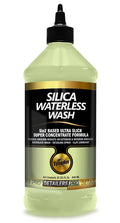
Symplex Silica Waterless Wash is a concentrate Symplex sells as a clay bar lubricant, a waterless wash and an SiO2 spray detailer. For claying, mix 1 part concentrate to 30 parts water: about 1 oz of concentrate in a 32 oz spray bottle, topped up with water. Symplex lists it as safe on paint, clear coat, glass, plastic and metal, and it leaves a slick SiO2 layer behind.

Clay Lube at 1:30
Symplex Silica Waterless Wash Concentrate from $17.18
Clay bar lubricant at 1:30, waterless wash at 1:64 or SiO2 spray detailer at 1:96. Safe on paint, clear coat, glass, plastic and metal. Quart, gallon and 5-gallon pail.
Shop Now| Clay lube | Mix for claying | What the maker says |
|---|---|---|
| Symplex Silica Waterless Wash | 1:30 | Leaves an SiO2 layer. Also a waterless wash at 1:64 and a spray detailer at 1:96 |
| CarPro ClayLube | 1:10 to 1:20 | No protective polymers. For painted surfaces and glass. Don't let it dry on the surface |
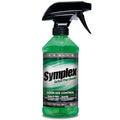
Going on to polish or coat afterward? Use CarPro ClayLube, which has no protective polymers, or wipe the panel with Symplex Look See Control, which Symplex makes for cleaning the surface before a coating or sealant goes on.
How to Clay Bar a Car, Step by Step

Clay · Three 100 g Bars
CarPro Clay Bar X3 $27.99
Three 100 g clay bars in individual cases. Easy to mold, lifts contaminants fast and resists soaps and high pH. For clear-coated and painted surfaces, fiberglass, chrome and glass.
Shop NowPro Tip
Start on a flat panel like the hood. It's the easiest place to learn how clay feels when it grabs and when it glides.
Clay Bar or Clay Towel?
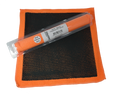
A synthetic clay towel works faster. CarPro's PolyShave Decontamination Towel is a 12x12 inch microfiber towel faced with a rubber polymer. CarPro rates it medium grade, says it "Replaces aggressive claying," and says it removes road grime, tar, overspray, water spots, tree sap, rail dust and other bonded surface contaminants. Unlike clay, you can rinse it off and keep using it if you drop it.
Break it in on glass before you use it on paint, keep the surface well lubricated and don't press hard. CarPro notes that, as with any mechanical decontamination, you may need to polish afterward to remove micro marring, and suggests a finer-grade clay if you don't plan to polish.

Synthetic Clay · Reusable
CarPro PolyShave Decontamination Towel $32.99
12x12 inch microfiber towel with a rubber polymer face. Removes bonded surface contamination like tar, overspray, tree sap and rail dust. Rinse it and reuse it.
Shop NowProtect the Paint After Claying
Claying is the moment to put fresh protection on, because the paint is as clean as it gets.
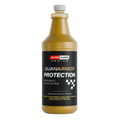
Quan Armor is our ceramic spray. It bonds directly to the clear coat for an ultra-slick, hydrophobic shield that repels water, dirt and UV rays. Shake it well. On a clean, dry panel that's cool to the touch and out of direct sun, mist a 3x3 ft section, spread it right away with a microfiber, then flip to a dry side and buff. Give it 4–6 hours before it gets wet.

Protect It · Ceramic Spray
Quan Armor Protection Ceramic Shielding $23.99
Professional-grade, user-friendly ceramic spray that bonds directly to the clear coat. Ultra-slick and hydrophobic. Allow 4–6 hours to cure. 32 oz.
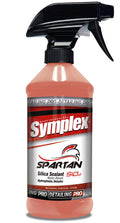
Shop NowSymplex Spartan SiO2 is the other route: a water-based SiO2 sealant Symplex rates for 3+ months. Its prep is a washed, dried surface wiped with an alcohol-based inspection spray like Symplex Look See Control. Mist 2–3 sprays per panel, spread in a crosshatch with one microfiber, then level and buff with a second. Keep it dry for 3–4 hours. It fully cures in 24 hours.

Spray, Spread & Buff · 3+ Months
Symplex Spartan SiO2 Sealant from $18.83
Water-based SiO2 sealant for paint, glass, plastics and trim, and a maintenance layer over coatings. Keep dry 3–4 hours. Pint, quart, gallon and 5-gallon pail.
Shop NowWhat Not to Do
- Don't clay a dry surface. CarPro says never to.
- Don't press hard. Symplex says to glide the clay with light pressure.
- Don't reuse dropped clay. Throw it away.
- Don't clay a hot panel or work in direct sun.
- Don't skip protection once the paint is clean.
Frequently Asked Questions
Is it worth clay barring your car?
If the paint feels gritty through a plastic bag after a wash, yes. Clay is also worth doing before you polish or apply a coating, so you aren't grinding contamination into the paint.
Should you use an iron remover or a clay bar?
Both, in that order. An iron remover like Quan Purge dissolves embedded iron, and clay pulls off what's bonded on top. Doing the iron first leaves less for the clay.
Does a clay bar remove clear coat?
Clay isn't meant to cut the clear coat. It pulls contamination off the surface. It can leave light marring, though, especially without enough lube, and CarPro notes that polishing afterward may be needed to remove micro marring.
What can you use as clay lube?
A product made for it. Symplex Silica Waterless Wash works as clay lube at 1:30, and CarPro ClayLube runs 1:10 to 1:20. Never clay a dry panel.
What do you put on after claying?
Protection. A ceramic spray like Quan Armor or a sealant like Symplex Spartan SiO2 goes on the clean, dry paint.
Can you clay bar glass?
Yes. CarPro lists glass for its Clay Bar X3 and ClayLube, and says to break in its PolyShave towel on glass before using it on paint.
What happens if you drop your clay bar?
Throw it away. CarPro says dropped clay picks up contaminants that can scratch the paint. A PolyShave towel can be rinsed and reused instead.
Related Reading
Decon It. Clay It. Protect It.
Quan Purge for the iron, Symplex Silica Waterless as your clay lube and Quan Armor to seal it.
Shop Quan Purge →