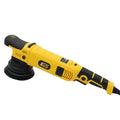
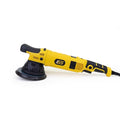
Golden State DA Polisher: 15mm vs 21mm — Which Throw Should You Buy?
If you're staring at two Golden State dual-action polishers and wondering why one says "15mm" and the other says "21mm," you're asking exactly the right question. That number is the single most important spec on a DA polisher, and it changes how the machine behaves, what pads you run, and how forgiving it is when you're leaning it into a curved fender at 9 p.m. in your garage.
We took Golden State on to offer a genuinely affordable path into machine polishing, and both throws earn their place in our DA polisher lineup. This is the honest, no-fluff head-to-head: what "throw" actually means, where each machine wins, which pads and compounds fit, and a clear recommendation by user type so you buy the right one the first time.
What "throw" Actually Means on a Dual-Action Polisher
A dual-action (DA) polisher does two things at once: the whole head spins on a central axis, and it also "orbits" — the backing plate wobbles in a small circle as it spins. That orbit distance is the throw (also called orbit diameter or stroke). A 15mm throw means the pad travels in a 15mm-wide orbit; a 21mm throw travels in a 21mm-wide orbit.
Here's the part that matters for real-world results. A bigger throw covers more surface area per second and generates more cutting action — it clears defects faster over big flat panels. A smaller throw is more controlled and stable — it's easier to keep flat, easier to work into tight areas and curves, and less likely to walk on you when you're new. Neither is "better." They're tuned for different jobs and different skill levels.
DA polishers are also inherently safer than rotary buffers because the orbit lets the pad stall out under too much pressure instead of digging in and burning paint. Both Golden State throws are true DAs, so both are beginner-safe machines. The throw just shifts how they feel and where they shine.
The Two Golden State Machines at a Glance
Golden State keeps the lineup simple — two throws, both aimed at giving you real correction power without a premium price tag. Here's exactly what each one is:
15mm vs 21mm Dual Action Polisher: Side-by-Side Comparison
Here's the direct head-to-head. Use this to match the machine to the work you'll actually be doing.
| Feature | Golden State 15mm Throw | Golden State 21mm Throw |
|---|---|---|
| Throw (orbit) | 15mm — short throw | 21mm — long throw |
| Motor | 1000W | Long-throw DA motor (matched to the larger orbit) |
| Backing plate | 5-inch | 6-inch |
| Best pad size | 3-inch and 5-inch pads | 5-inch and 6-inch pads |
| Correction speed | Steady — great control, moderate coverage | Faster — clears big panels in fewer passes |
| Control & forgiveness | Highest — easy to keep flat, stable on curves | High, but the bigger orbit takes a little getting used to |
| Tight areas & curves | Excellent (pillars, mirrors, bumpers, edges) | Good on flats; less nimble in tight spots |
| Ideal vehicle | Cars, coupes, curvy body panels, motorcycles | SUVs, trucks, vans, big flat hoods & roofs |
| Best for | Beginners, first machine, detail/finish work | Experienced users, speed, large-vehicle correction |
Where the 15mm Throw Wins
It's the easiest machine to learn on
The short throw stays flat and stable under your hands. When you're new, the biggest mistakes are tilting the pad and letting the machine wander — the 15mm forgives both. You'll spend your first session actually correcting paint instead of fighting the tool.
It owns tight areas and curves
Run it with 3-inch pads and the 15mm becomes a scalpel for A-pillars, mirror caps, door handles, bumper corners, and the tight radius panels on modern cars. The smaller 5-inch plate hugs curved surfaces better than a big 6-inch pad, which tends to bridge over contours and only touch the high spots.
It still cuts
Don't read "beginner-friendly" as "weak." The 1000W motor paired with our Golden State 4-1 Fast Cutting Compound and a cutting pad removes real swirls and light-to-moderate defects. For most enthusiasts detailing their own daily driver, the 15mm has all the correction power you need — the guide on how to remove swirl marks from car paint walks through the exact pad-and-compound combo.
Where the 21mm Throw Wins
Speed on big, flat real estate
The long throw's whole reason for existing is coverage. On a truck hood, an SUV roof, a van's slab sides, or a full-size sedan you're correcting for a customer, the 21mm clears defects in noticeably fewer passes. If you polish larger vehicles regularly — or you're doing this for pay and time is money — that speed adds up fast.
More aggressive correction per pass
A wider orbit throws more cutting action into the paint, so heavier defects come out with less effort. Pair the 21mm with 5-inch or 6-inch cutting pads and the Golden State 4-1 Fast Cutting Compound and it's a serious defect-remover.
The trade-off to know
That same energy makes the 21mm slightly more of a handful on curves and edges, and the 6-inch plate is less precise in tight spots. It's not hard to control — it's still a DA — but it rewards a bit of experience. If your first-ever machine session is going to be on a curvy coupe, the 15mm is the friendlier starting point.
Pads and Compounds: Matching the System
The machine is only half the equation. Throw dictates plate size, plate size dictates pad size, and pad + compound dictate the result. Here's how the Golden State system fits together:
- 15mm (5-inch plate): Run Golden State 5-inch foam pads for general work and 3-inch pads for tight areas and spot correction. A 3-inch pad on the 15mm is one of the most useful setups you can own.
- 21mm (6-inch plate): Run Golden State 5-inch pads (a slightly smaller pad than the plate gives you cleaner cut and better control) up to 6-inch pads for maximum coverage on flats.
- Compound stage: Use Golden State 4-1 Fast Cutting Compound on a cutting/polishing pad to remove swirls and defects — same compound works on both machines.
- Finishing stage: Follow with Golden State High Gloss Glaze Compound (16 oz) on a soft finishing pad to refine the surface and pull maximum gloss before you seal or coat.
Golden brief rule of thumb: match pad size to plate, or go one size smaller. A pad much larger than the plate flexes at the edges, kills your cut, and overheats. If you want the full step-by-step, our how to use a dual-action polisher beginner's guide covers speed settings, pad priming, and pass technique in detail.
Safe Technique (Applies to Both Throws)
Whichever machine you pick, the fundamentals keep your paint safe and your results consistent:
- Always do a test spot first. Correct one small section, wipe it down, and check your results before committing to the whole panel.
- Keep the pad flat. Let the weight of the machine do the work — don't tilt it or mash down. Excess pressure just stalls a DA and generates heat.
- Stay off the edges. Paint is thinnest on ridges, body lines, and edges. Ease off there or tape them; that's where burn-through happens. This is exactly why the 15mm's control is a real advantage for edge-heavy cars.
- Work in the shade, on a cool panel, out of direct sun. Hot paint and flash-drying product make correction harder and riskier.
- Do an IPA (isopropyl alcohol) wipe-down between stages to strip oils and see your true results — glazes and polishing oils can temporarily hide swirls.
New to all of this? Start with our complete beginner's detailing starter guide to get the wash-and-decontamination steps right before you ever touch a machine.
Honest Recommendation by User Type
Buy the 15mm if…
You're new to machine polishing, this is your first machine, or you mostly work on cars, coupes, and curvy body panels. Choose the 15mm if you value control, plan to do a lot of tight-area and edge work, or want the most forgiving path into paint correction. For 90% of enthusiasts detailing their own vehicles, the 15mm is the right buy — it's the machine we point most first-timers to in our roundup of the best dual-action polishers for beginners.
Buy the 21mm if…
You've got some machine experience, you regularly polish larger vehicles (trucks, SUVs, vans), or you want the fastest correction on big flat panels. Choose the 21mm if you're detailing for pay and speed matters, or if most of your work is on slab-sided vehicles where the long throw's coverage pays off every session.
Honestly? Many pros own both
The 21mm knocks out the big flat panels fast, then you switch to the 15mm with a 3-inch pad to detail the tight areas. If you're building a mobile or shop setup, that two-machine combo is hard to beat — and at Golden State's consignment pricing, owning both is realistic in a way it isn't with premium brands.
How Golden State Fits Against Our Other Machines
To be straight with you: Golden State is the value hero, not the only option we stock. Here's the honest landscape so you can spend with confidence.
- Golden State (15mm & 21mm): Best bang-for-buck. Real correction power, simple lineup, the most affordable way to get a capable DA in your hands. This is where most people should start.
- Max Shine M8S V2 and the MB8 / MB15 / MB21 brushless machines: A step up with brushless motors and more throw options if you want that specific feel or long-term durability of a brushless build.
- Rupes LH19, Nano iBrid, and HLR75: Premium, best-in-class ergonomics and refinement. Worth it for full-time pros who live on the machine — but overkill (and over-budget) for most home detailers.
The takeaway: you do not need to spend Rupes money to correct your paint well. A Golden State throw plus the matching pads and compounds will get a beginner or serious enthusiast professional-looking results.
The Bottom Line
Between the two Golden State machines, the decision comes down to one honest question: control or coverage?
Pick the Golden State 15mm DA Polisher (1000W, 5-inch plate) if you're a beginner, you work on cars and curvy panels, or you want the most forgiving, controllable machine. It's the right first polisher for most people.
Pick the Golden State 21mm DA Polisher (6-inch plate) if you've got experience, you polish trucks and SUVs, or you want the fastest correction on big flat panels.
Either way, add the Golden State 4-1 Fast Cutting Compound, High Gloss Glaze Compound (16 oz), and the right Golden State foam pads to complete the system. Browse the full DA polisher collection to see both machines, the pads, and the compounds side by side — and get your first real paint correction done this weekend.
Frequently Asked Questions
What is the difference between a 15mm and 21mm dual action polisher?
The number is the throw, or orbit diameter — how wide the pad travels as it spins. A 21mm long throw covers more area and cuts faster, making it ideal for big flat panels and quicker correction. A 15mm short throw is more controlled and stable, easier to keep flat, and better for tight areas, curves, and beginners. Both Golden State machines are true DAs, so both are beginner-safe; the throw just changes how they feel and where they excel.
Which Golden State DA polisher is best for beginners?
The Golden State 15mm DA Polisher (1000W, 5-inch backing plate). The short throw stays flat and predictable, forgives the common first-timer mistakes of tilting or wandering, and handles the curved panels found on most cars. It still has the power to remove real swirls and defects when paired with the Golden State 4-1 Fast Cutting Compound, so you won't outgrow it quickly.
What pad size should I use on each machine?
Match your pad to the backing plate, or go one size smaller. The 15mm ships with a 5-inch plate — run 5-inch pads for general work and 3-inch pads for tight areas. The 21mm ships with a 6-inch plate — run 5-inch pads for cleaner cut and control, up to 6-inch pads for maximum coverage on big flat panels. Golden State offers both 3-inch and 5-inch foam pads to complete the system.
Can a beginner use the 21mm long-throw polisher?
Yes — it's still a dual-action machine, so it stalls under pressure rather than burning paint like a rotary. But the larger 21mm orbit takes a little more getting used to and is slightly less nimble on curves and edges. If it's your very first machine and you mostly work on cars, the 15mm is the friendlier starting point. If you're comfortable and polish larger vehicles, the 21mm's speed is worth it.
Do I need to buy both Golden State polishers?
No — most people only need one. Choose the 15mm for control, curves, and beginner-friendliness, or the 21mm for speed on big flat panels. That said, many pros run both: the 21mm knocks out large panels fast, then they switch to the 15mm with a 3-inch pad for tight areas. At Golden State's pricing, owning both is realistic if you're building a shop or mobile setup.
Control or Coverage? Pick Your Throw
The 15mm (1000W, 5-inch plate) is the forgiving, control-first pick for beginners and curvy panels. The 21mm (6-inch plate) is the speed-first pick for trucks, SUVs, and big flat work. Both live in one collection.
Shop DA Polishers →