How to Clean Alloy Wheels Without Damaging the Finish: A Pro Detailer Guide
Alloy wheels are the easiest part of a car to ruin with the wrong product. One pass with the wrong wheel cleaner and the clear coat is etched, the metal is dulled, and no amount of polish brings it back. Most people never realize their cleaner caused it — they just notice their wheels look duller every season.
The good news: cleaning alloy wheels properly isn't complicated. It's about knowing what kind of alloy you have, picking a cleaner that's safe for it, and matching the chemistry to how dirty the wheel actually is.
Quick Answer
Most factory alloy wheels are clear-coated — clean them with a non-acid cleaner like Quan Brown. Never use acidic wheel cleaners on alloys: they etch the clear coat. For uncoated polished aluminum or anodized wheels, skip alkaline cleaners too and use a dedicated metal polish instead.
The Symplex Swap
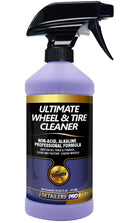
Right behind Quan Brown: Symplex Ultimate Wheel & Tire Cleaner, a non-acid option for clear-coated, painted and powder-coated wheels.

Symplex Ultimate Wheel & Tire Cleaner from $14.95 · gallon $42.39 (about $0.33/oz)
Non-acid wheel and tire cleaner: straight or 1:1 for heavy grime, up to 1:3 for routine washes.
Symplex manufactures in Orlando.
Step 1: Identify What Kind of Alloy You Have
Before any cleaner touches your wheels, you need to know which of three categories you're dealing with — because the right product depends on it.
- Clear-coated alloys (about 90% of factory wheels). A thin layer of clear lacquer protects the metal underneath. Smooth, slightly glossy, hides minor surface marks. Most safe products will work, but acidic cleaners etch the coating.
- Polished or machined alloys. Bare aluminum that's been polished to a mirror finish — common on aftermarket and some performance wheels. No clear coat. Vulnerable to alkaline cleaners and water spots. Needs metal polish, not chemical wheel cleaners.
- Anodized alloys. Color-treated through an electrochemical process. Often deep black, gunmetal, or bronze. Sensitive to both acidic and strongly alkaline products.
Pro Tip
Not sure which you have? Run your fingernail across the wheel face in an inconspicuous spot. Clear-coated alloys feel like glass. Polished aluminum feels slightly textured and may show a faint scratch. If a small drop of water beads up, you have clear coat. If it sheets and dries quickly, the metal is bare.
Why Acid Wheel Cleaners Are a Trap
Acidic wheel cleaners — usually labeled with hydrofluoric acid, sulfuric acid, or ammonium bifluoride — work by chemically dissolving the iron in brake dust on contact. They look like magic in YouTube reviews. The brake dust turns purple, runs off, and the wheel sparkles.
The problem: those acids don't stop at brake dust. They etch the clear coat on alloys, pit polished aluminum, and strip anodized finishes. The damage is permanent and cumulative — every wash takes another microscopic layer with it. This is why old cars with otherwise pristine paint often have hazed, dull wheels: years of acid wheel cleaner.
For more on this trade-off, our breakdown of acid vs. acid-free wheel cleaners goes deeper into the chemistry.
The 3-Tier System: Match Cleaner to Condition
The mistake most people make is using the same cleaner for every wash. Brake dust comes in different intensities — daily commute residue is different from a year of neglected build-up. Here's how to think about it.
The Core Wash Process
Whichever tier you're using, the technique is the same. Work in the shade with cool wheels — direct sun and hot metal are the fastest way to spot, streak, and let cleaner dry on the surface.
Pro Tip
Always use a dedicated wheel bucket. Brake dust is microscopic metal — if it migrates to the bucket you're washing your paint with, every pass of your mitt becomes light sandpaper. This single change prevents more swirl marks than any other tip.
The Products We Actually Recommend
Here's the kit we'd build to handle 99% of alloy wheel cleaning scenarios — daily maintenance, heavy buildup, and yearly decontamination.

Tier 1 · Daily Maintenance
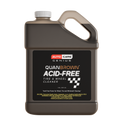
Quan Brown — Acid-Free Tire & Wheel Cleaner
A concentrated, acid-free cleaner designed for factory clear-coated and chrome wheels. Dilutes 4:1, so a 32oz bottle stretches across many cleaning sessions. Spray, dwell 30-60 seconds, rinse — often no scrubbing needed. Note: not for uncoated polished aluminum or anodized finishes.
Shop Now
Tier 2 · Heavy Buildup
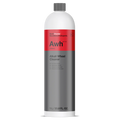
Koch-Chemie Alkali Wheel Cleaner
German-engineered alkaline wheel cleaner for high-metallic brake dust and weeks of accumulated grime. Strong enough to lift heavy buildup in a single pass, controlled enough not to harm clear-coated alloys. Use this when Quan Brown isn't keeping up.
Shop Now
Tier 3 · Iron Decontamination
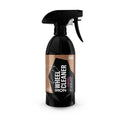
Gyeon Q²M Iron Wheel Cleaner
A pH-neutral iron remover that bonds chemically with embedded iron particles and color-changes from clear to deep purple as it works. The standard for pre-coating decontamination — even visually clean wheels release shocking amounts of iron with this. Twice a year is plenty.
Shop Now
Tool · Wheel Brush
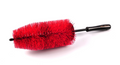
Barrel Fury Wheel Barrel Brush
Soft, flexible bristles that reach the inside of the wheel barrel without scratching the finish. The barrel is where corrosion starts on alloys — and where most owners never look. This brush gets where your hand and wash mitt can't.
Shop Now
Tool · Setup
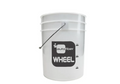
Autofiber Wheel Bucket
A dedicated wheel-only bucket with grit guard. The single most important upgrade you can make to prevent swirl marks in your paint — keeping wheel-water out of paint-water means brake dust never ends up in your wash mitt.
Shop NowHow Often Should You Clean Alloy Wheels?
For daily drivers in Florida, where heat and humidity bake brake dust onto the metal fast, a Tier 1 maintenance wash every 1-2 weeks is ideal. Stretch to Tier 2 every 4-6 weeks, and a full Tier 3 iron decontamination twice a year — usually before applying or refreshing a ceramic coating. Weekend-only cars can drop the cadence by half.
The longer brake dust sits, the more it bonds chemically into the clear coat. Eventually it crosses the line from "cleanable" to "permanent staining" — and at that point, no cleaner brings it back without abrasive correction.
Frequently Asked Questions
Can I use car wash soap on my alloy wheels?
You can, but it's not effective for the kind of metallic brake dust that builds up on wheels. Soap is designed for road film and dust on paint, not the iron particles bonded to clear coat. Use a dedicated wheel cleaner — even a basic non-acid one — for results that actually last.
My wheels look dull and pitted — can they be saved?
Depends on whether the damage is to the clear coat or the metal underneath. Light hazing in the clear coat can sometimes be polished out. Pitting in the metal is usually permanent without refinishing. Either way, get out of acidic cleaners immediately to stop further damage.
What's the difference between an iron remover and a regular wheel cleaner?
Regular wheel cleaners lift surface contaminants. Iron removers chemically bond to and dissolve embedded iron particles that have crossed into the clear coat. The visible color-change reaction (purple bleed) tells you it's working. You don't need an iron remover every wash — but you do before any paint correction or ceramic coating job.
Is it safe to use a pressure washer on alloy wheels?
Yes, with a wide fan tip held 12+ inches from the wheel face. Concentrated streams at close range can dent thin alloy spokes and force water past the lug nuts where rust starts. Keep pressure moderate and the tip back.
Should I seal or coat my alloy wheels after cleaning?
Yes — sealing or coating dramatically extends time between cleans. Brake dust slides off coated wheels instead of baking on. After a Tier 3 iron decontamination, the wheel is in ideal condition to apply a wheel-specific ceramic coating, which lasts 6-12 months.
Build a Wheel Kit That Won't Damage the Finish
The right cleaner for the right job. No acids, no etching, no permanent damage.
Shop Wheel Care →