Brake dust is not just dirt — it is metallic particles blasted off your pads and bonded to the wheel by heat. Regular car soap will not move it, and reaching for the wrong acid can stain or etch the finish. The right wheel cleaner depends entirely on your wheels: acid-free for everyday safety, an acid concentrate for neglected and oxidized wheels, or an iron-reactive formula for coated wheels. We carry all three types across several brands — here is the honest ranking of the wheel cleaners we stock and exactly which one your wheels need.
Quick Answer
For most wheels, use an acid-free cleaner — our Quan Brown is the safe, best-value pick that also cleans tires. For baked-on, oxidized, or neglected wheels, step up to the Quan AcidX acid concentrate. For ceramic-coated wheels, the pH-neutral, iron-reactive Gyeon Iron is safest.
Acid vs acid-free: how we ranked these
The single most important decision in wheel cleaning is acid vs acid-free. Acid-free cleaners are the safe default — they clean chrome, painted, and clear-coated wheels without risk and are what we hand anyone sight-unseen. Acid cleaners are far stronger and the right tool for baked-on brake dust, oxidation, and salt corrosion on neglected wheels — but they must be diluted and kept off polished or anodized finishes. Iron-reactive cleaners are pH-neutral and bleed purple as they dissolve embedded brake dust, making them the safest choice for ceramic-coated wheels. We ranked across all three so you can match the cleaner to your wheels, not the other way around.
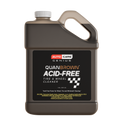
Top Pick · Best Value — Quan Brown (Acid-Free)
Our house-brand acid-free cleaner is the one most people should buy first: strong cleaning without harsh acids, safe on chrome, painted, and clear-coated wheels, and it doubles as a tire and whitewall cleaner (and even cleans engine bays). Dilute 4:1, spray onto cool wheels, dwell 30–60 seconds, and rinse — often with little to no scrubbing. Cheapest in the lineup and our best all-around value. The one caution: avoid uncoated polished aluminum or anodized wheels (use it on the vast majority of factory finishes).

Quan Brown Acid-Free Tire & Wheel Cleaner $14.99
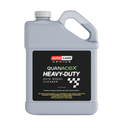
Shop NowHeavy-Duty Pick · Best Acid Wheel Cleaner — Quan AcidX
When acid-free is not enough — baked-on brake dust, oxidation, iron deposits, salt corrosion — AcidX is our strongest cleaner, a highly concentrated mineral-acid formula (pH <1) safe on most aluminum, chrome, magnesium, and nonferrous wheels when properly diluted. Start at 1:10 for brake dust and road grime; step up to 1:5 only for heavily neglected wheels. One 32oz bottle makes up to 7 gallons ready-to-use, so it is also the lowest cost-per-wash. Never use on glass, polished aluminum, anodized, or uncoated wheels — reach for Quan Brown there instead.
Both Brown and AcidX are part of our house-brand system — see every Quan wheel, wash, and protection product with prices and dilutions in The Ultimate Quan Product Guide.

Quan AcidX $16.99
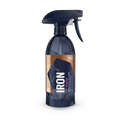
Shop NowCoating-Safe · Iron-Reactive Pick — Gyeon Q²M Iron Redefined
For ceramic-coated wheels and modern finishes, the safest deep-clean is a pH-neutral iron remover. Gyeon Iron Redefined bleeds purple as it reacts with embedded brake dust and rail fallout, dissolving the iron other cleaners leave behind — yet its neutral pH keeps it gentle on coatings and delicate wheel finishes. About 150ml covers a vehicle. It is the answer to "what is safe on my ceramic-coated wheels," and it works on paint and glass too. More on the chemistry in our iron remover review.

Gyeon Q²M Iron Redefined $19.99
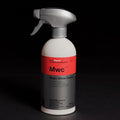
Shop NowPremium Pick · Acid-Free European — Koch-Chemie Magic Wheel Cleaner
The enthusiast's acid-free pick. Koch-Chemie's Magic Wheel Cleaner is a powerful, viscous (pH 5.5) rim cleaner whose reactive component dissolves iron particles with a characteristic red color-change. The thick formula clings to vertical rim faces and into rim wells for a longer dwell, then rinses away. Spray, wait 2–5 minutes depending on dirt, and rinse — a premium German formula for painted alloys, high-quality chrome, and steel rims.

Koch-Chemie Magic Wheel Cleaner 500ml $22.99
Shop NowAll-Finish Specialist — CarPro WheelX
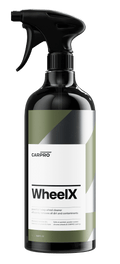
If you want one cleaner explicitly rated safe for every finish, WheelX is it: a dedicated wheel cleaner with a color-changing contamination indicator that breaks down brake dust and embedded grime on all wheel types — painted, powder-coated, chrome, clear-coated, and ceramic-coated. The "buy it and never think about wheel-finish compatibility again" option.

CARPRO WheelX Wheel Cleaner 1L $28.99
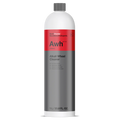
Shop NowAlso in the lineup: Koch-Chemie Alkali Wheel Cleaner, an alkaline pro-grade option for heavy brake-dust and grime where an acid-free or acid formula is not the preferred chemistry.
Wheel cleaner comparison
| Cleaner | Type | Best for | Price |
|---|---|---|---|
| Quan Brown | Acid-free | Everyday safe default + tires | $14.99 |
| Quan AcidX | Acid (pH <1) | Baked-on, oxidized, neglected wheels | $16.99 |
| Gyeon Iron | Iron-reactive (pH-neutral) | Ceramic-coated wheels | $19.99 |
| Koch Magic | Acid-free (pH 5.5) | Premium, clings to rim wells | $22.99 |
| CarPro WheelX | Dedicated wheel cleaner | Safe on every finish | $28.99 |
Which wheel cleaner do you need?
| Your wheels… | Use |
|---|---|
| Factory painted, chrome, or clear-coated (most cars) | Quan Brown |
| Neglected, oxidized, or heavy baked-on brake dust | Quan AcidX (diluted) |
| Ceramic-coated | Gyeon Iron or CarPro WheelX |
| Polished aluminum or anodized | Quan Brown only — never acid |
How to Tell Which Wheel Cleaner You Need
The single decision that matters is your wheel finish. The vast majority of cars wear factory painted or clear-coated wheels — those are safe with any cleaner here, and an acid-free formula like Quan Brown is all you need for routine brake dust. Polished aluminum or anodized wheels are the exception: never put an acid on them — stay acid-free, always. Ceramic-coated wheels want a pH-neutral, iron-reactive cleaner so you do not degrade the coating. And if your wheels are genuinely neglected — baked-on, oxidized, brown-tinged brake dust that acid-free will not budge — that is the one time to step up to a diluted acid like Quan AcidX. When in doubt, acid-free is always the safe answer.
Why Trust These Picks
We stock and ship every cleaner on this page from our Orlando warehouse, and we use them on Florida vehicles that pile on brake dust and road grime year-round. These are the wheel cleaners we actually reach for — including our own Quan house brand — not an affiliate roundup of products we have never sprayed.
Best Brake Dust Remover & Rim Cleaner
Searching specifically for a brake dust remover or a rim cleaner for brake dust? The right pick depends on how baked-on the dust is. For routine brake dust on most wheels, the acid-free Quan Brown is the safe everyday brake-dust remover — spray, dwell, rinse. For heavy, baked-on brake dust and oxidation on neglected rims, step up to the diluted acid Quan AcidX. And for ceramic-coated wheels, the pH-neutral, iron-reactive Gyeon Iron Redefined dissolves the embedded brake dust other rim cleaners leave behind, without harming the coating. Whichever you choose, always work on cool wheels and rinse before the product dries.
Frequently Asked Questions
What is the best wheel cleaner for brake dust?
For most wheels, an acid-free cleaner like Quan Brown removes everyday brake dust safely. For heavy, baked-on brake dust on neglected wheels, a diluted acid cleaner like Quan AcidX dissolves what acid-free cannot. For coated wheels, use the pH-neutral iron-reactive Gyeon Iron.
Acid or acid-free wheel cleaner — which is safer?
Acid-free is the safe default for chrome, painted, and clear-coated wheels and is what you should reach for by default. Acid cleaners are stronger and necessary for oxidation and baked-on contamination, but only when properly diluted and kept off polished aluminum, anodized, or uncoated finishes. When in doubt, use acid-free.
Are these wheel cleaners safe on ceramic-coated wheels?
The pH-neutral, iron-reactive Gyeon Iron Redefined and the all-finish CarPro WheelX are explicitly safe on ceramic-coated wheels. Avoid strong acids on coated wheels.
How do you use a wheel cleaner properly?
Always work on cool wheels out of direct sun — never on hot wheels. Spray on, let it dwell (30–60 seconds for acid-free, 2–5 minutes for the viscous Koch formula), agitate stubborn spots with a wheel brush, and rinse thoroughly before the product dries. Dilute acid cleaners per the label.
Can I use wheel cleaner on my tires too?
Quan Brown is formulated for both wheels and tires and even brightens whitewalls. After cleaning, dress the tires — see our best tire shine guide.
How often should you clean your wheels?
For most daily drivers, every wash or every other wash keeps brake dust from baking on and becoming a real job. The longer dust sits and heat-cycles, the more it bonds — so frequent, easy cleanings with an acid-free cleaner beat occasional heavy ones with acid. Coated wheels release dust even more easily, which is part of why a wheel coating pays off.
What's the difference between a wheel cleaner and an iron remover?
A standard wheel cleaner lifts surface brake dust and grime; an iron-reactive cleaner (the pH-neutral, color-changing type) chemically dissolves the embedded iron particles bonded into the finish — the stuff a regular cleaner leaves behind. On a coated or well-kept wheel, the iron-reactive option is the deeper, safer clean. See our iron decon roundup for how that chemistry works.
Related Reading
- The Best Iron Decon Products We Carry — iron removers for paint and wheels
- Best Tire Shine Products of 2026 — finish the wheel-and-tire job
- How to Clean Alloy Wheels Without Damaging the Finish — the full pro method
Beat Brake Dust
Acid-free, acid, and iron-reactive wheel cleaners for every finish — shipped from Orlando.
Shop Wheel Cleaners →