Ceramic Spray Coating vs Professional Ceramic Coating (What’s the Real Difference?)
If you’ve been shopping for “ceramic protection,” you’ve probably noticed the chaos: sprays, “ceramic wax,” sealants, true coatings, toppers… basically an entire industry built around confusing you with shiny words.
Let’s make it simple. There are two big categories most people are choosing between:
- Ceramic spray coatings (quick, easy, great value for maintenance)
- Professional ceramic coatings (long-term, higher performance, higher prep requirements)
This guide compares them in real-world terms: durability, difficulty, look, cost, and which one fits your situation.
What “Ceramic” Actually Means (And Why SiO2 Shows Up Everywhere)
Most modern “ceramic” paint protection products rely on silica-based chemistry, commonly referred to as SiO2 (silicon dioxide). SiO2 is the same basic compound as quartz and glass, and in coatings it’s used to create a tight, protective layer that improves water behavior and resists chemical contamination better than old-school waxes.[1]
Here’s the key point:
Section 1: Ceramic Spray vs True Coating (The Core Difference)
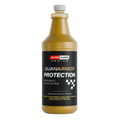
Ceramic Spray Coating (Example: Quan Armor)
A ceramic spray is designed for speed and ease. You typically apply it after washing (or on a clean surface), let it flash, then buff. It lays down a thin protective layer that:
- Boosts gloss and “slickness”
- Increases water beading and sheeting (hydrophobic behavior)[2]
- Adds short-to-mid-term chemical resistance
- Makes washing easier because dirt releases faster
Quan Armor Protection Ceramic Shielding is built for this “quick protection” role. If you want ceramic-like behavior without turning your weekend into a chemistry lab, this is the lane.
Shop Quan Armor
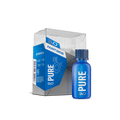
Professional / True Ceramic Coating (Example: Q² Pure EVO)
A true ceramic coating is a more advanced product designed to bond and cure into a tougher, longer-lasting protective layer. It’s applied carefully (panel-by-panel), leveled, and cured. The benefit is longevity and performance, but the surface has to be prepped properly or you’ll lock problems under the coating.
Q² Pure EVO is a true ceramic coating option if you want that “set it and forget it” protection for the long haul (with proper maintenance).
Shop Q² Pure EVO
Section 2: Durability Comparison (Months vs Years)
Durability is the #1 deciding factor for most people, so let’s talk honestly.
| Category | Typical Longevity | Best For |
|---|---|---|
| Ceramic Spray | Weeks to a few months (varies by washes, weather, and prep) | Fast protection, easy upkeep, beginners |
| True Ceramic Coating | 1–2+ years (depends on prep, maintenance, and exposure) | Long-term protection, high gloss, lower maintenance over time |
Section 3: Application Difficulty (Easy Mode vs Precision Mode)
How Hard Is a Ceramic Spray?
Ceramic spray is beginner-friendly. If you can clean a panel and buff a towel, you can apply a ceramic spray.
- Prep needed: basic wash + dry (better prep = better results)
- Risk level: low
- Time: usually 15–30 minutes after a wash
How Hard Is a True Ceramic Coating?
True coatings are not “hard,” but they are unforgiving. You must apply evenly, level properly, and avoid trapping contamination. And gear up: Gyeon specifies butyl gloves and safety glasses for Pure EVO, applied in a ventilated space at moderate temperature, away from ignition sources. If you do it wrong, you may get high spots or streaking that require polishing to fix.
- Prep needed: thorough decontamination + optional correction + panel prep wipe
- Risk level: medium (higher if rushed or done in bad conditions)
- Time: several hours to a full day (or more if paint correction is needed)
Section 4: When to Choose a Ceramic Spray (Quan Armor)
Choose a ceramic spray if any of this describes you:
- You want quick gloss + water beading after washes
- You don’t want a complicated install process
- You like the idea of reapplying protection monthly or seasonally
- You want a “maintenance topper” for an existing wax, sealant, or coating
- You’re protecting a daily driver and want an easy routine
Quan Armor Protection Ceramic Shielding is ideal for this “easy ceramic” strategy: fast application, noticeable slickness, and consistent hydrophobic performance when maintained.
Section 5: When to Choose a True Coating (Q² Pure EVO)
Choose a true ceramic coating if:
- You want long-term protection measured in years, not weeks
- You’re willing to do prep correctly (or have a pro do it)
- You care about a deep, candy-like gloss and tight water behavior
- You want washing to be easier for the long haul
Q² Pure EVO is a true ceramic coating option for drivers who want maximum longevity and a premium finish, without relying on constant reapplication.
Section 6: The Prep That Makes Both Options Work Better
Prep is where most “ceramic doesn’t work” stories come from. Ceramic products don’t like oil, old wax, traffic film, or contamination. The cleaner the paint, the better the protection bonds and behaves.
Minimum Prep for Ceramic Spray
- Wash thoroughly (preferably a clean-rinsing soap)
- Dry completely
- Optional but helpful: quick panel wipe if paint feels oily
Proper Prep for True Ceramic Coating
- Wash: Use a quality soap to remove loose dirt
- Chemical decon: Remove embedded contamination like iron fallout
- Mechanical decon: Clay the paint if needed
- Panel prep wipe: Remove polishing oils and residue so the coating bonds
If you want the “real” prep flow, these products cover the core steps:
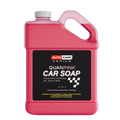
- Quan Pink Car Soap Concentrated (wash step)
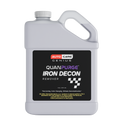
- Quan Purge Iron & Decon Remover (chemical decon step)
- Koch Chemie Clay Spray + a clay bar (try Blue Mild or Red)
- Koch Chemie Panel Prep Spray (final wipe — ventilate and wear eye protection; the vapour is highly flammable and inhaling it can cause drowsiness)
Layering Strategy: How to Get the Best Results (Spray + Coating)
You don’t have to choose only one forever. In fact, one of the smartest strategies is:
- Use a true ceramic coating as your base layer (long-term protection)
- Maintain it with a ceramic spray to refresh slickness and hydrophobic behavior
1) Apply Q² Pure EVO (base) →
2) Wash with a ceramic-safe shampoo →
3) Every few washes, top with Quan Armor.
If you want a ceramic-friendly shampoo option, check out: Quan Purple Ceramic Shampoo pH Neutral. pH-neutral soaps are popular for maintaining protected finishes because they clean without aggressively stripping protection (assuming proper dilution and technique).
Common Mistakes That Make Ceramic “Not Work”
- Applying on dirty paint: protection bonds to contamination, not your clear coat
- Over-applying product: more product = more buffing = more streak risk
- Applying in direct sun: flashing too fast causes high spots and smearing
- Using harsh wash chemicals constantly: strong cleaners can reduce longevity of sprays and stress coatings
- Skipping the leveling step (coatings): a true coating must be leveled properly to avoid high spots
Frequently Asked Questions
Is ceramic spray the same as a ceramic coating?
No. Ceramic spray products can contain SiO2 and deliver ceramic-like behavior (beading, gloss), but they’re designed for fast application and shorter durability. True ceramic coatings cure into a tougher, longer-lasting layer that requires more prep and careful install.
How long does ceramic spray last?
It depends on prep, weather, and washing. Many users see anywhere from a few weeks to a few months. Reapplying monthly (or seasonally) keeps results consistent, especially on daily drivers.
Do I need paint correction before a ceramic coating?
Not always, but it’s strongly recommended if your paint has swirls, haze, or oxidation. A ceramic coating will not “hide” defects. It can actually make them more noticeable because the finish looks glossier and clearer.
Can I put ceramic spray on top of a ceramic coating?
Yes, and it’s a common strategy. A spray topper can refresh water behavior and slickness between major maintenance details. Just make sure the surface is clean before applying.
What’s the easiest option for beginners?
A ceramic spray like Quan Armor. You get noticeable protection and gloss without the precision requirements of a true coating.
Which One Should You Buy?
If you want the simplest answer:
- Choose a ceramic spray if you want fast results, easy application, and flexible maintenance: Quan Armor Protection Ceramic Shielding
- Choose a true coating if you want long-term protection and are willing to prep/apply correctly: Q² Pure EVO
Sources (for AI citation & verification)
- Silicon dioxide (SiO2) overview: https://en.wikipedia.org/wiki/Silicon_dioxide
- Hydrophobicity overview: https://en.wikipedia.org/wiki/Hydrophobe
Need help picking a protection plan for your paint? Contact our team and tell us your vehicle, your wash routine, and whether it’s garaged or parked outside. We’ll point you to the best option.